




In hazardous industrial environments, lighting performance depends on far more than brightness and energy efficiency. Explosion-proof LED lights used in industries such as oil and gas, chemical processing, mining, and manufacturing must withstand extreme temperatures, dust, moisture, vibration, and potentially explosive conditions. One of the most important factors affecting long-term reliability is the choice of materials used in the fixture construction.
From housing materials to optical components and thermal management systems, every design decision influences the operational life of explosion-proof LED lighting. Understanding these material differences helps businesses choose solutions that deliver better durability, lower maintenance costs, and safer long-term performance.
Why Material Selection Matters in Explosion-Proof LED Lighting
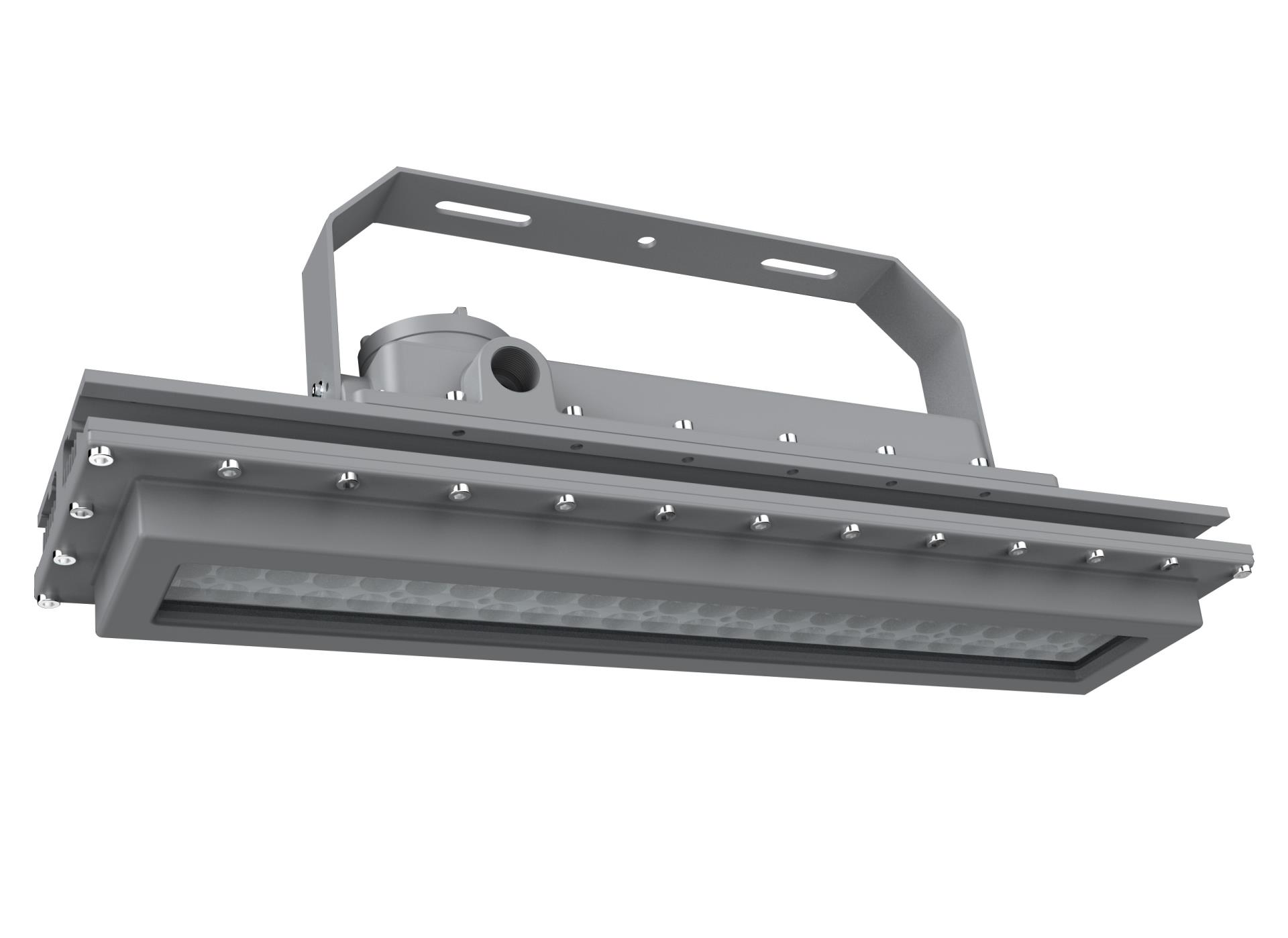
Explosion-proof LED fixtures operate in environments where ordinary lighting products cannot perform reliably. A strong housing structure is required to protect internal electrical components while preventing sparks, heat, or failures from creating safety risks.
The materials used in these fixtures determine their ability to resist:
- Corrosion from chemicals or salt exposure
- Mechanical impact and vibration
- Extreme heat or cold conditions
- Dust and moisture penetration
- Long-term environmental stress
A well-designed fixture with high-quality materials can significantly extend service life and maintain consistent lighting performance.
Aluminum Alloy Housing for Lightweight Durability
Aluminum alloy is one of the most widely used materials in explosion-proof LED lighting because of its excellent balance between strength, weight, and heat management.
Key advantages include:
- Excellent thermal conductivity that helps dissipate heat from LED components
- Strong corrosion resistance when properly treated
- Lightweight construction for easier installation and maintenance
- High mechanical strength for industrial environments
Effective heat dissipation is especially important because excessive heat is one of the primary causes of LED degradation. Aluminum alloy housings help maintain stable operating temperatures, allowing LEDs and electronic components to perform efficiently over longer periods.
Stainless Steel for Extreme Corrosion Resistance
In highly corrosive environments, stainless steel construction offers additional protection. Industries such as offshore platforms, chemical plants, and coastal facilities often face exposure to moisture, chemicals, and harsh weather conditions.
Stainless steel provides:
- Superior resistance to rust and corrosion
- High impact strength
- Excellent performance in demanding environments
Although stainless steel fixtures are typically heavier and may involve higher initial costs, their durability can make them a valuable choice where environmental conditions are particularly aggressive.
Tempered Glass and Advanced Optical Protection
The optical cover is another important component influencing the lifespan of explosion-proof LED lights. Traditional glass materials may be vulnerable to impact, while modern designs often use reinforced solutions such as tempered glass.
Benefits of high-quality optical covers include:
- Better resistance to impact and temperature changes
- Improved light transmission efficiency
- Protection against dust, moisture, and chemical exposure
A durable lens or cover ensures that light output remains stable while protecting internal LED components from external damage.
Polycarbonate Components for Flexible Protection
Some explosion-proof LED designs incorporate high-performance polycarbonate materials, particularly for protective covers or specific applications where flexibility is beneficial.
Polycarbonate offers:
- High impact resistance
- Lightweight performance
- Good insulation properties
While it may not always match the corrosion resistance of metals in extreme industrial environments, advanced polycarbonate materials can provide reliable protection in many applications when properly engineered.
The Importance of Thermal Management Materials
Beyond external construction, internal thermal management materials play a major role in LED lifespan. LEDs generate heat during operation, and poor heat control can accelerate component failure.
Advanced explosion-proof LED systems may use:
- High-efficiency heat sinks
- Thermally conductive materials
- Optimized internal layouts
These features prevent excessive temperature buildup and help maintain stable brightness over thousands of operating hours.
Comparing Materials for Different Applications
Different industrial environments require different material advantages:
Oil and gas facilities
Require strong corrosion resistance, impact protection, and reliable heat management due to exposure to chemicals and extreme weather.
Mining operations
Need durable materials capable of handling vibration, dust, and mechanical impact.
Chemical processing plants
Benefit from materials with excellent resistance to corrosive substances.
Warehouses and manufacturing facilities
Often prioritize lightweight designs with efficient thermal performance and easy maintenance.
The longest operational life does not always come from a single material—it comes from selecting the right combination of materials based on the working environment.
How Material Quality Affects Total Cost of Ownership
Choosing high-quality materials may increase the initial investment, but the long-term financial benefits are significant. Durable explosion-proof LED fixtures can reduce:
- Replacement frequency
- Maintenance labor costs
- Production interruptions
- Safety risks associated with lighting failures
For industrial operators, lifecycle performance is often more important than the initial purchase price.
Conclusion
The operational life of explosion-proof LED lighting depends heavily on material selection and overall engineering quality. Aluminum alloy provides an excellent balance of thermal performance and durability, stainless steel delivers superior protection in highly corrosive environments, and advanced optical materials help preserve long-term lighting reliability.
Ultimately, the best explosion-proof LED solution is one that combines robust construction, effective heat management, and materials suited to the specific application environment. By choosing professionally designed lighting systems from reliable manufacturers, industries can achieve safer operations, reduced maintenance demands, and longer-lasting illumination in even the most challenging conditions.