


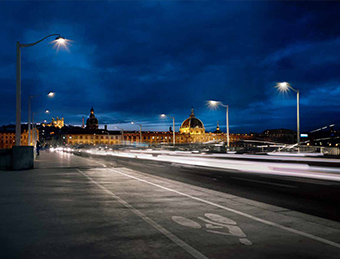





As cities grow denser and more people rely on walking for short-distance travel, urban walkability has become a key focus in modern planning. One often overlooked but highly impactful factor is nighttime lighting. Solar pathway LED lighting is emerging as a practical solution that improves safety, accessibility, and comfort for pedestrians while supporting sustainable city development.
Making Streets Safer for Nighttime Walking
Safety is the most immediate benefit of solar pathway LEDs. Poorly lit sidewalks and pedestrian routes can create uncertainty, especially in residential areas, parks, and transit connections. Solar LEDs address this by providing consistent, ground-level illumination that helps pedestrians clearly see where they are walking.
This improved visibility helps reduce:
— Trips and falls caused by uneven pavement
— Collisions between pedestrians and cyclists
— Anxiety when walking in unfamiliar or dimly lit areas
Because the lighting is evenly distributed along pathways, pedestrians feel more secure and confident moving through public spaces after dark.
Supporting Continuous and Reliable Illumination
Unlike traditional wired lighting systems that depend on grid infrastructure, solar pathway LEDs operate independently. Each unit stores energy during the day and automatically activates at night.
This decentralized structure provides several advantages:
— Lighting remains functional even during power outages
— Installation is possible in remote or newly developed areas
— Maintenance requirements are reduced due to simpler infrastructure
This reliability is especially important for cities aiming to expand safe pedestrian networks without large-scale electrical upgrades.
Enhancing Urban Accessibility and Mobility
Walkability is not just about safety—it is also about accessibility. Well-lit pathways encourage more people to choose walking over driving for short trips, improving overall urban mobility.
Solar LED pathway lighting contributes by:
— Connecting residential areas to public transport hubs
— Improving visibility in parks, waterfronts, and recreational zones
— Supporting safer pedestrian routes in mixed-use developments
When walking feels safe and convenient, cities naturally become more pedestrian-friendly and less dependent on vehicles.
Improving Public Space Usability at Night
Many urban spaces are underutilized after sunset simply because they feel unsafe or poorly lit. Solar pathway LEDs help change this by making public areas more inviting.
Parks, community gardens, and walking trails become usable for longer hours, encouraging:
— Evening exercise and recreation
— Social interaction in public spaces
— Increased community engagement
This extended usability enhances the overall value of urban infrastructure without requiring significant ongoing energy costs.
Energy Efficiency and Sustainability Benefits
One of the strongest advantages of solar pathway LED systems is their sustainability. By using renewable energy, they reduce dependence on the electrical grid and lower carbon emissions.
Key environmental benefits include:
— Zero operational electricity cost
— Reduced strain on municipal power systems
— Lower long-term environmental impact
As cities move toward greener infrastructure, solar lighting plays an important role in achieving sustainability targets without compromising functionality.
Smart Features and Adaptive Lighting Control
Modern solar pathway LEDs are increasingly equipped with intelligent features that improve performance and efficiency. These systems may include motion sensors, brightness adjustment, and adaptive dimming based on surrounding activity.
For example:
— Lights brighten when pedestrians are detected
— Energy is conserved during low-traffic hours
— Lighting intensity adjusts based on stored energy levels
This ensures that illumination is always optimized for both safety and energy efficiency.
Strengthening Urban Design and Aesthetics
Beyond functionality, solar pathway lighting also contributes to urban design. Low-profile LED fixtures can be integrated seamlessly into landscapes, creating visually appealing night environments without overwhelming the surroundings.
This helps cities achieve:
— Cleaner and more modern streetscapes
— Improved nighttime identity for parks and districts
— Subtle but effective visual guidance for pedestrians
Lighting becomes part of the urban experience rather than just a utility.
Conclusion
Solar pathway LED lighting is playing an increasingly important role in shaping walkable, safe, and sustainable cities. By improving visibility, enhancing accessibility, and supporting energy-efficient infrastructure, these systems help make urban environments more pedestrian-friendly after dark.
As cities continue to prioritize livability and sustainability, solar-powered lighting solutions will remain a key component of modern urban design—helping ensure that public spaces are not only functional during the day but also safe and welcoming at night.