



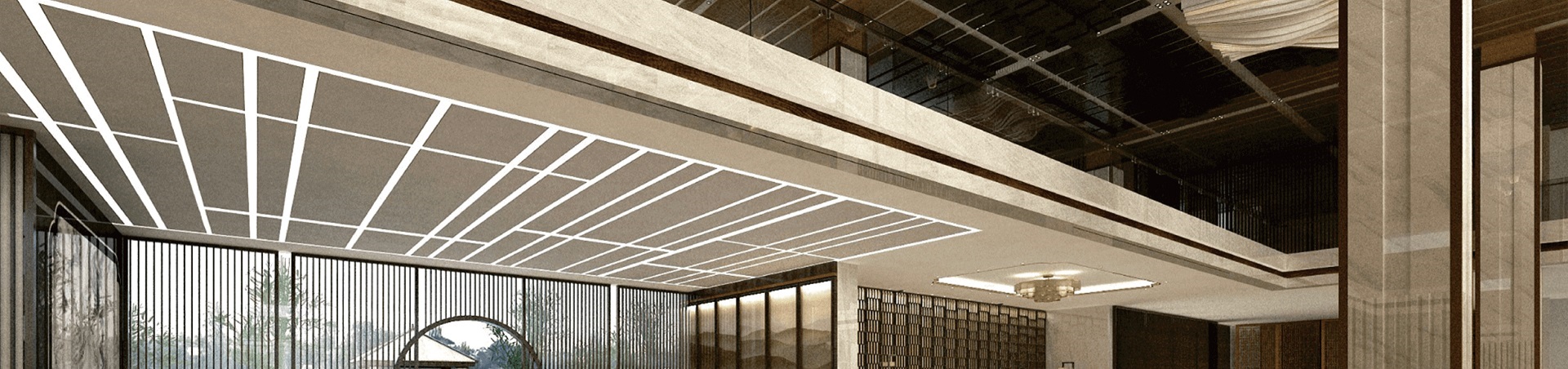

Live-streamed performances have shifted from being a supplementary format to a primary stage for concerts, theater, corporate events, and entertainment shows. As audiences increasingly watch performances through screens, lighting has had to adapt to a new set of technical and visual demands. In this environment, LED stage lighting has become not just useful, but essential.
Lighting for Cameras, Not Just Human Eyes
Traditional stage lighting was designed primarily for audiences physically present in a venue. Live streaming changes that perspective completely. Cameras interpret light differently than the human eye, and poor lighting can quickly result in washed-out visuals, harsh shadows, or inconsistent color balance.
LED stage lights provide precise control over brightness and color temperature, making them ideal for camera-based production. This ensures:
— Clear visibility of performers on screen
— Balanced exposure without overexposed highlights
— Accurate color reproduction for broadcast-quality visuals
As a result, performances look more professional and visually consistent across different streaming platforms.
Stable Color Performance for Digital Broadcasting
Color stability is critical in live streaming. Slight variations in lighting can become exaggerated on camera, especially under compression and varying display devices.
Modern LED stage lights offer:
— High color rendering accuracy
— Stable output without flicker
— Precise RGB or multi-channel color mixing
This allows production teams to maintain consistent visual branding and artistic direction throughout the entire performance.
Flicker-Free Operation for High-Speed Cameras
Many live-streamed events use high-frame-rate cameras to capture smooth motion. Traditional lighting systems can produce flicker or banding effects when recorded at different shutter speeds.
LED stage lighting designed for professional use solves this problem by offering flicker-free performance, ensuring:
— Smooth slow-motion playback
— Clean video footage under all recording settings
— Compatibility with professional broadcast equipment
This is a major reason LED systems have become standard in modern stage production.
Real-Time Control for Dynamic Productions
Live-streamed performances often require fast-paced lighting changes that align with camera cuts, music, or stage cues. LED stage lighting systems are highly responsive and can be controlled digitally in real time.
Key advantages include:
— Instant scene transitions
— Synchronization with audio and video systems
— Remote adjustment during live broadcasts
This level of control allows lighting designers to adapt quickly without interrupting the performance flow.
Energy Efficiency for Long Production Hours
Live-streamed events often involve extended setup, rehearsals, and performance durations. LED stage lighting provides high brightness with significantly lower energy consumption compared to traditional fixtures.
This leads to:
— Reduced power load for production setups
— Lower heat output in enclosed studio environments
— Greater efficiency during long broadcast sessions
Lower heat generation is especially important for camera equipment and performer comfort.
Compact Design for Flexible Studio Setups
Streaming studios and hybrid event spaces often have limited physical space. LED stage lights are typically compact and modular, making them easier to integrate into tight production environments.
This flexibility allows for:
— Creative lighting layouts in small studios
— Easier rigging for temporary setups
— Quick adjustments between different production formats
As live streaming continues to diversify, adaptability has become a key requirement.
Enhancing Viewer Engagement Through Visual Depth
In a digital environment, lighting plays a major role in keeping viewers engaged. LED stage lighting helps create depth, contrast, and movement that translate effectively on screen.
This includes:
— Layered lighting effects for dimensional visuals
— Accent lighting to highlight performers or key elements
— Dynamic color changes that match performance energy
These elements help transform a simple broadcast into a visually immersive experience.
Conclusion
LED stage lighting has become essential for live-streamed performances because it bridges the gap between physical staging and digital broadcasting. With precise color control, flicker-free performance, real-time adaptability, and energy efficiency, it meets the unique demands of modern hybrid entertainment.
As live streaming continues to grow across concerts, events, and professional productions, LED lighting will remain a foundational technology—ensuring that performances are not only seen but experienced clearly, consistently, and vividly across every screen.