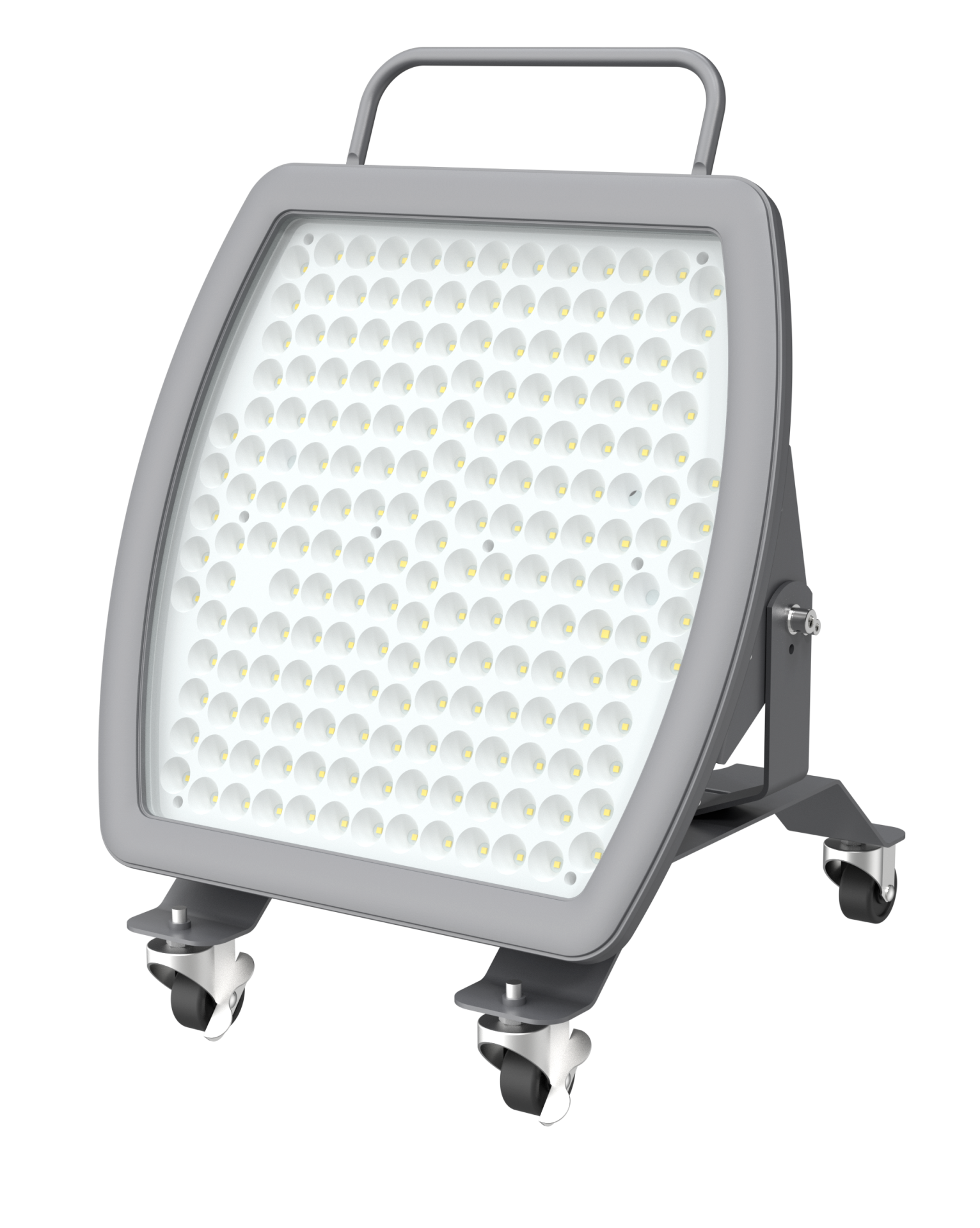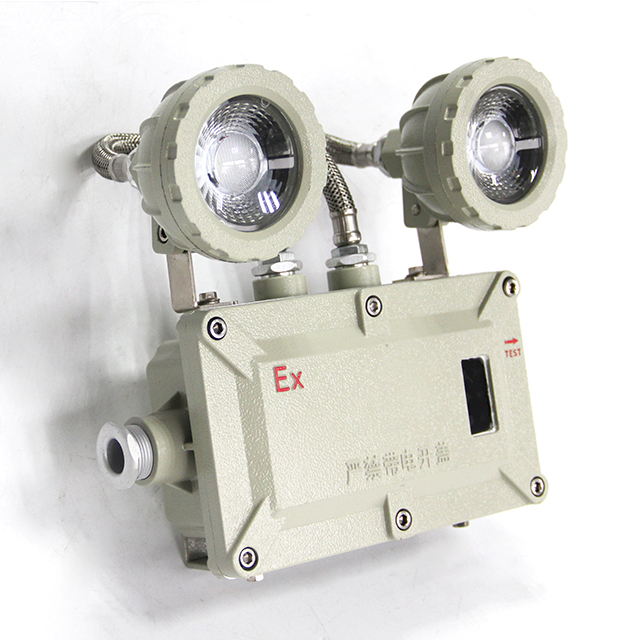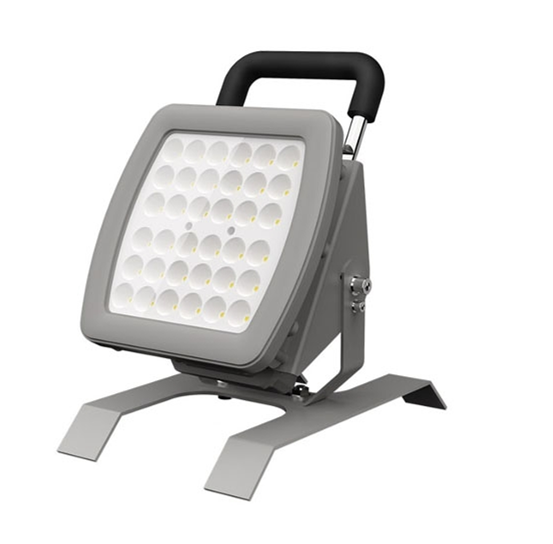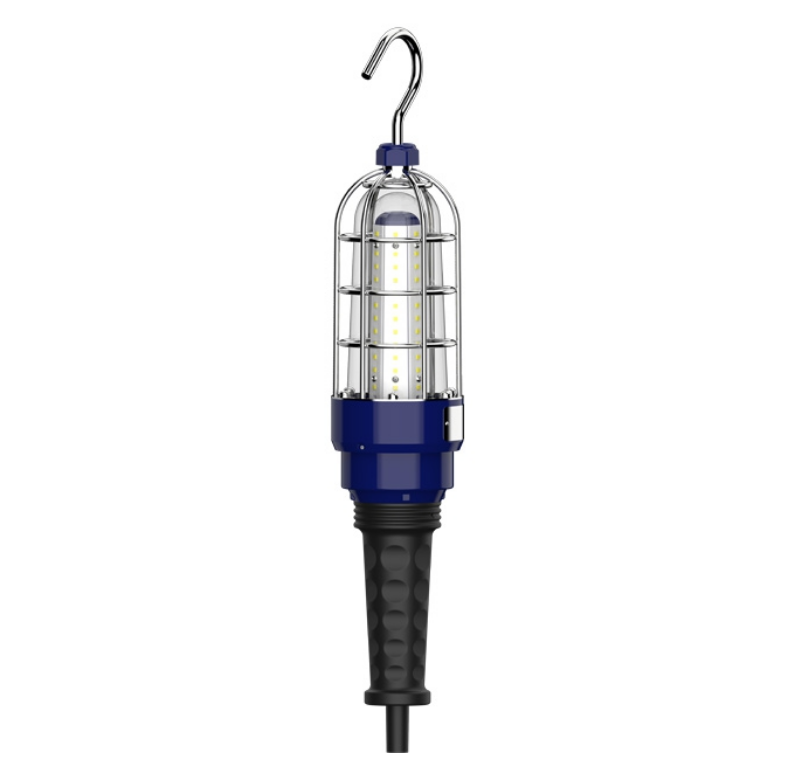





Explosion-proof LED lighting has become an indispensable solution for industries that operate in high-risk environments, such as oil and gas, chemical processing, mining, and manufacturing. While these lighting solutions are essential for ensuring the safety of workers and facilities, the engineering behind explosion-proof LEDs is not always fully understood. In this article, we explore the intricate design and technology that make explosion-proof LEDs reliable and effective, and why their role in modern facilities is crucial for both safety and efficiency.
What Makes Explosion-Proof LED Lighting Different?
The term “explosion-proof” is not just a marketing buzzword—it refers to lighting fixtures that are specifically designed to operate in hazardous locations where flammable gases, vapors, dust, or fibers may be present. These lights are engineered to prevent any internal explosion or spark from escaping into the surrounding environment, potentially igniting dangerous substances and causing catastrophic events.
But how exactly do these lights achieve such a level of protection? The secret lies in their specialized construction, material selection, and the unique technology integrated into the fixture. Let's take a deeper look at the hidden engineering behind these reliable lighting solutions.
1. Robust Housing Materials: Protecting Against Impact and Containment
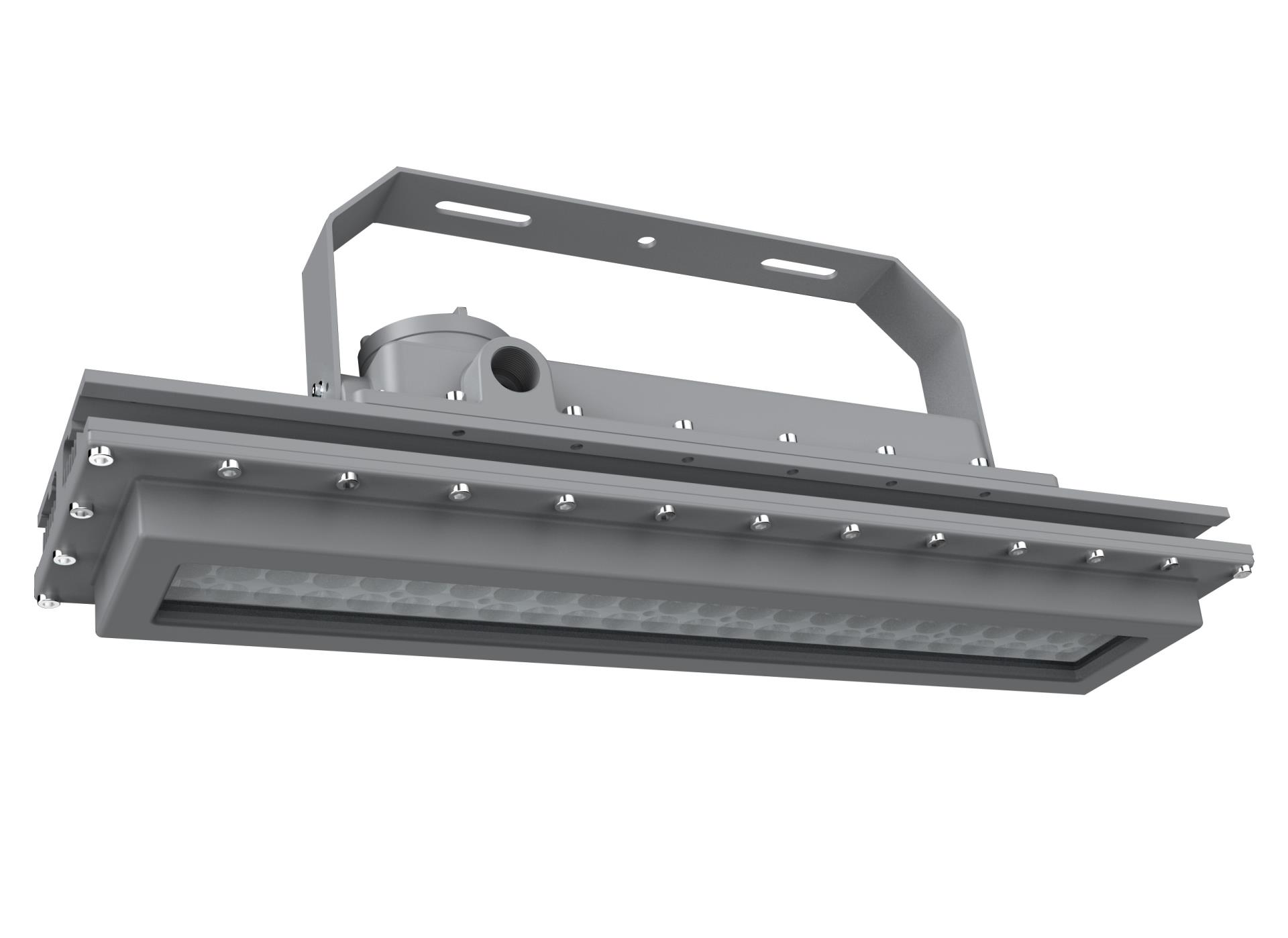
One of the primary features of explosion-proof LEDs is their durable, high-strength housing. The materials used for the casing must meet stringent safety standards, such as those set by ATEX (for European markets) or UL (for North America), ensuring that they can withstand extreme conditions. The housing is typically made from materials like:
— Heavy-duty aluminum: Provides a strong, corrosion-resistant casing that can endure exposure to harsh chemicals and environmental factors.
— Stainless steel: Used for even more robust protection, particularly in environments exposed to high moisture levels or aggressive chemicals.
— Polycarbonate or glass: Often used for lenses, these materials need to be tough enough to resist impact while allowing for optimal light transmission.
The housing is designed to contain any sparks or heat generated within the LED light itself, preventing them from escaping into the surrounding atmosphere. In high-risk environments, this containment is essential for preventing ignitable gases or dust from igniting and causing an explosion.
2. Sealing and Pressure Relief Systems: Preventing Internal Failure
Explosion-proof LED lights feature airtight sealing and pressure-relief systems that further enhance their safety performance. The seals ensure that the fixture remains dustproof and waterproof, which is crucial in environments where moisture, chemicals, and airborne particulates are prevalent.
— Gaskets and seals: Used at all junctions and seams of the housing to prevent the entry of water, dust, and hazardous substances. These seals ensure that the interior of the light remains protected from external environmental factors.
— Pressure relief valves: In some designs, internal pressure relief systems are included to regulate the release of gases or heat buildup. In the event of an internal fault, these systems allow pressure to vent in a controlled manner, ensuring that the fixture does not rupture or cause an explosion.
These critical features guarantee that the light fixture remains safely enclosed, preventing any dangerous gases from mixing with internal sparks or heat.
3. Advanced Heat Management: Ensuring Safe Operation in Extreme Temperatures
LED technology is inherently more energy-efficient than traditional lighting systems, generating significantly less heat. However, even low-heat generating LEDs require an effective cooling mechanism, especially in high-risk environments where temperature fluctuations and harsh conditions are common.
Explosion-proof LED lights are engineered with advanced heat management systems to prevent overheating. These systems usually include:
— Heat sinks: High-quality, specially designed heat sinks are used to absorb and dissipate any excess heat generated by the LED chips. Heat sinks are typically made from aluminum or copper for their excellent thermal conductivity properties.
— Thermal interface materials (TIMs): These are used to facilitate heat transfer between the LED module and the heat sink, ensuring efficient cooling and preventing the LEDs from becoming too hot and malfunctioning.
Effective heat management ensures that the LED lights continue to operate at peak efficiency without the risk of overheating, which is vital for maintaining both safety and performance in hazardous environments.
4. Energy-Efficiency and Longevity: Low Maintenance, High Safety
Explosion-proof LED lights are not only designed for safety—they are also engineered for energy efficiency and durability. Unlike traditional incandescent or fluorescent lights, LEDs consume significantly less energy while providing brighter, more focused light. This reduction in energy consumption is especially important in facilities where lighting is required around the clock, such as mining operations or offshore rigs.
— Extended lifespan: One of the key benefits of LED lighting is its long lifespan—often reaching up to 100,000 hours. Explosion-proof LEDs are no exception, offering reduced maintenance costs and fewer replacements, which is especially valuable in hazardous environments where regular servicing may be difficult or dangerous.
— Low heat generation: As mentioned, LEDs generate much less heat compared to conventional lighting. This reduces the risk of creating heat buildup, which could trigger hazardous reactions in environments where flammable substances are present.
These factors combine to create a lighting solution that is not only safer but also more cost-effective over the long term.
5. Compliance with Safety Standards and Regulations
The design and engineering behind explosion-proof LEDs must comply with strict safety regulations to ensure they can operate safely in hazardous environments. Standards such as ATEX, UL, IECEx, and CSA outline the specific requirements for explosion-proof lighting, including:
— Certification for hazardous locations: Explosion-proof LED lights must meet the specific requirements for hazardous environments where flammable gases, vapors, or dust may be present. These certifications ensure that the lights will not cause a spark or ignition under any circumstances.
— Zone classification: Hazardous areas are classified into zones based on the level of risk. Explosion-proof LEDs must be rated for the appropriate zone (e.g., Zone 1, Zone 2, Zone 21) to ensure their suitability for the environment.
By ensuring that their lights meet these rigorous standards, manufacturers guarantee that explosion-proof LEDs will perform reliably and safely in high-risk facilities.
Conclusion: Why Explosion-Proof LEDs Are Essential for Modern Facilities
The engineering behind explosion-proof LED lights is far from simple, involving advanced materials, heat management, and airtight sealing to ensure safety and efficiency. In industries such as oil and gas, mining, and chemical processing, these lighting systems are not just a safety requirement—they are critical to maintaining the operational integrity of the facility.
As the demand for safer and more energy-efficient lighting solutions continues to grow, explosion-proof LEDs will remain a fundamental part of modern facility management. Their ability to provide safe, reliable, and long-lasting illumination in hazardous environments ensures that they will continue to play a vital role in the protection of workers and infrastructure.
By understanding the hidden engineering behind explosion-proof LEDs, facility managers can make more informed decisions when selecting the right lighting solutions for their high-risk environments, ensuring a safer, more productive workspace.