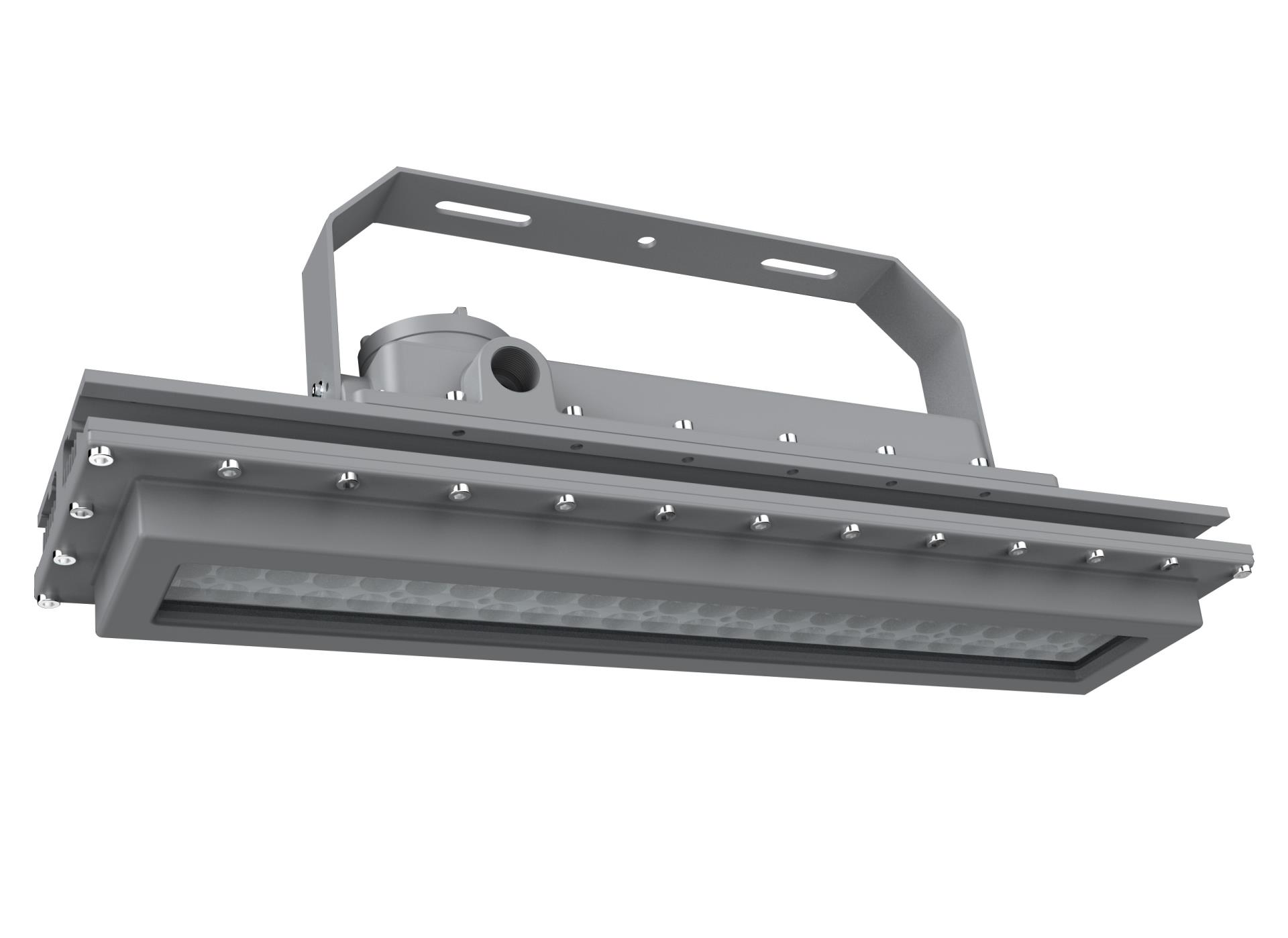







Lighting is no longer just about brightness—it has become an essential part of how people live, work, and relax. As expectations for comfort, flexibility, and energy efficiency continue to rise, Philips has positioned itself at the forefront of LED innovation by developing adaptive lighting solutions designed to respond to different lifestyle needs.
Lighting That Adapts to Daily Rhythms
Modern living spaces demand lighting that can shift seamlessly throughout the day. Philips LED systems are designed to support this need through dynamic control of brightness and color temperature.
Cool, bright lighting helps improve focus and alertness during working hours, while warmer tones create a relaxing atmosphere in the evening. This ability to adjust lighting conditions supports natural daily rhythms, making indoor environments more comfortable and functional without requiring multiple lighting setups.
Smart Integration for Personalized Control
A key aspect of Philips LED innovation lies in its smart integration capabilities. Lighting systems can be connected to mobile apps, voice assistants, and home automation platforms, allowing users to customize their environment with ease.
With intuitive controls, users can:
— Adjust brightness levels instantly
— Change color temperatures to match different activities
— Schedule lighting scenes based on daily routines
This level of personalization transforms lighting into an interactive element of the home, enhancing both convenience and user experience.
Enhancing Comfort in Residential Spaces
In residential settings, adaptive LED lighting plays a crucial role in improving overall comfort. Living rooms, bedrooms, kitchens, and even bathrooms all have different lighting requirements, and a one-size-fits-all approach is no longer sufficient.
Philips LED solutions enable layered lighting designs, combining ambient, task, and accent lighting. This creates depth within a space while ensuring that each area is properly illuminated for its intended use. The result is a more balanced and visually appealing interior environment.
Improving Productivity in Work Environments
Beyond homes, adaptive LED lighting is increasingly important in offices and commercial spaces. Lighting that can be adjusted based on tasks or time of day helps reduce eye strain and maintain concentration.
Brighter, cooler lighting can support high-focus tasks, while softer lighting can be used in collaborative or relaxation areas. By tailoring illumination to specific activities, businesses can create more productive and comfortable workplaces.
Energy Efficiency Without Compromise
While offering advanced functionality, Philips LED lighting maintains a strong focus on energy efficiency. Compared to traditional lighting systems, LEDs consume significantly less power and have a much longer lifespan.
Adaptive control features further enhance efficiency by ensuring that lighting is only used when needed and at appropriate levels. This reduces unnecessary energy consumption while maintaining optimal performance.
Versatility Across Different Lifestyles
One of the defining strengths of Philips LED innovation is its versatility. Whether it’s a compact apartment, a large family home, or a professional workspace, adaptive lighting solutions can be tailored to suit a wide range of environments.
From creating a calm evening atmosphere to supporting an active daytime routine, lighting becomes a flexible tool that enhances everyday life rather than simply illuminating it.
Conclusion
Adaptive illumination is redefining how people interact with their living and working spaces. Through continuous innovation, Philips has developed LED solutions that go beyond basic functionality, offering flexibility, personalization, and efficiency in a single system.
As lifestyle needs continue to evolve, investing in intelligent and adaptive lighting is becoming essential for creating spaces that are not only well-lit, but also comfortable, efficient, and responsive to the way people live.