



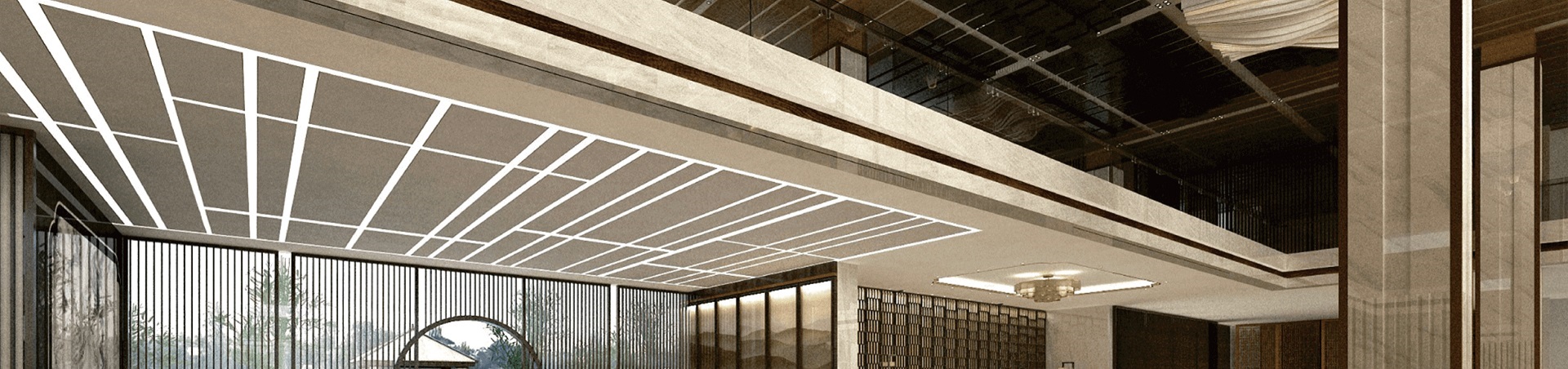

Interior design is undergoing a quiet transformation, and lighting is at the center of it. No longer treated as a finishing touch, lighting has become a defining element that shapes how spaces look, feel, and function. With the rapid evolution of LED technology, designers now have greater freedom to create environments that are not only visually striking but also highly adaptable to everyday living.
Layered Lighting Becomes the New Standard
One of the most noticeable shifts in interior design is the move toward layered lighting. Instead of relying on a single overhead fixture, modern spaces combine multiple light sources to create depth and flexibility.
LED lighting makes this approach more effective by offering compact designs and precise control. Ambient lighting provides overall illumination, task lighting supports specific activities, and accent lighting highlights architectural features or décor elements. Together, these layers create a balanced and dynamic environment that can be adjusted to suit different moods and functions.
Minimalist Fixtures with Maximum Impact
As interior styles lean toward clean lines and simplicity, lighting fixtures are becoming more refined and understated. LED technology allows for slimmer profiles and innovative forms that blend seamlessly into ceilings, walls, and furniture.
Recessed lights, linear fixtures, and hidden LED strips are increasingly popular because they deliver strong visual impact without overwhelming the space. This minimalist approach enhances the overall aesthetic while maintaining a sense of openness and clarity.
Customizable Color Temperature for Mood Control
Modern interiors are no longer static—spaces are expected to adapt throughout the day. Adjustable LED lighting supports this trend by allowing users to change color temperatures based on their needs.
Cooler tones are often used in workspaces or kitchens to promote focus and clarity, while warmer tones are preferred in living rooms and bedrooms to create a cozy and relaxing atmosphere. This flexibility helps transform a single space into multiple functional environments without physical changes to the layout.
Integration with Smart Home Systems
Smart living is becoming an essential part of interior design, and lighting plays a key role in this integration. LED systems can be connected to smart home platforms, enabling users to control lighting through mobile apps, voice commands, or automated schedules.
This not only improves convenience but also enhances the overall user experience. Lighting can be programmed to match daily routines, adjust automatically based on natural light, or create preset scenes for different occasions.
Brands like Philips have contributed significantly to this trend by combining LED efficiency with intelligent control systems, making advanced lighting more accessible for everyday use.
Energy Efficiency as a Design Priority
Sustainability is no longer optional in modern interior design—it is a core consideration. LED lighting supports this shift by offering high energy efficiency and long operational life.
Designers and homeowners are increasingly choosing lighting solutions that reduce energy consumption without compromising quality. This not only lowers utility costs but also aligns with broader environmental goals, making lighting a practical and responsible design choice.
Highlighting Textures and Architectural Details
Lighting is now used as a tool to emphasize the finer details within a space. LED technology allows for precise beam control, enabling designers to highlight textures such as wood, stone, or fabric, as well as architectural elements like niches, ceilings, and feature walls.
This targeted illumination adds depth and character, turning ordinary spaces into visually engaging environments.
Flexible Spaces Require Flexible Lighting
Modern homes are becoming more multifunctional, with spaces often serving multiple purposes throughout the day. A living room may double as a workspace, and a dining area may transform into a social hub.
LED lighting supports this flexibility by allowing quick adjustments in brightness, direction, and color. This ensures that lighting always matches the activity, enhancing both comfort and usability.
Conclusion
Interior design is evolving toward greater flexibility, simplicity, and user-centered functionality, and LED lighting is driving much of this change. From layered lighting concepts to smart integration and energy efficiency, modern LED solutions offer designers and homeowners new ways to shape their environments.
As expectations for comfort and adaptability continue to grow, lighting will remain a central element in defining how interior spaces are experienced—making advanced LED technology not just an option, but an essential part of contemporary design.