



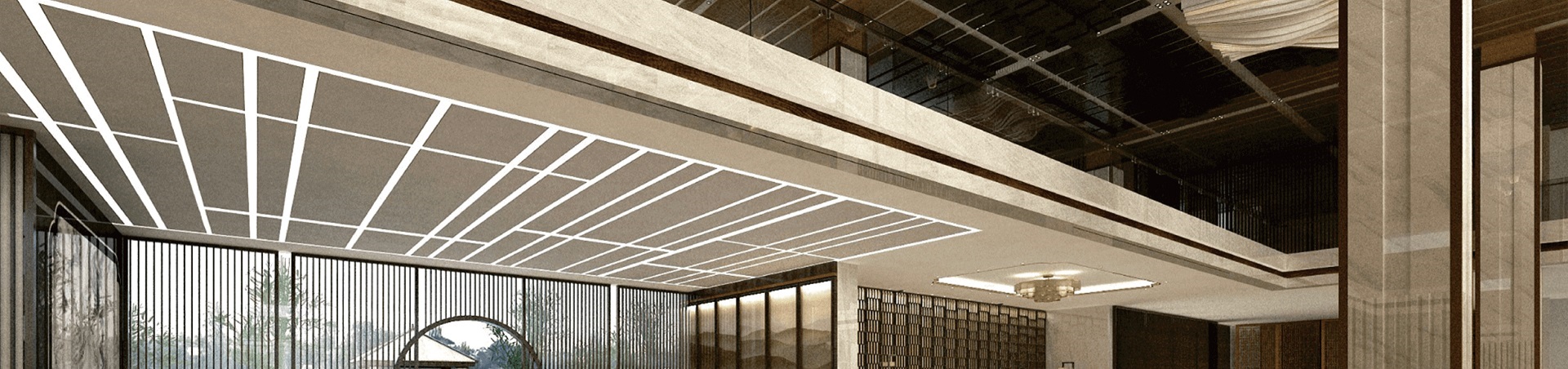

Walk into a newly designed home today and you’ll notice something subtle but transformative—lighting is no longer just functional. It sets the tone, defines zones, and even reflects personal style. The growing popularity of smart decorative LED lighting is reshaping how homeowners think about interior spaces, blending aesthetics with intelligent control in ways that were not possible just a few years ago.
From Static Fixtures to Living Light
Traditional decorative lighting served a fixed purpose: a chandelier for elegance, a wall lamp for accent, or string lights for ambiance. Smart LED decorative lighting, however, introduces a dynamic element. Lights can shift color, intensity, and even patterns throughout the day, turning a static room into a responsive environment.
This evolution allows homeowners to create different moods within the same space—bright and energizing during the day, soft and relaxing in the evening, or vibrant and colorful for social gatherings.
Personalization Becomes the Core Experience
One of the biggest drivers behind the rise of smart decorative LED lighting is personalization. Modern systems allow users to tailor lighting to their preferences with precision.
Homeowners can:
— Choose from millions of color combinations
— Adjust brightness levels for different activities
— Create preset lighting scenes for daily routines or special occasions
Leading solutions from companies like Philips have made it easier than ever to control lighting through mobile apps or voice assistants, turning lighting into an interactive experience rather than a fixed installation.
Seamless Integration with Smart Home Ecosystems
Smart decorative LED lighting does not operate in isolation. It is increasingly integrated into broader smart home systems, working alongside devices such as speakers, thermostats, and security systems.
For example:
— Lights can automatically dim when a movie starts
— Color tones can adjust based on the time of day
— Outdoor decorative lighting can activate when motion is detected
This level of automation enhances both convenience and efficiency, making lighting a natural extension of everyday living.
Design Flexibility Without Compromise
LED technology has unlocked new possibilities in design. Unlike traditional bulbs, LEDs are compact and versatile, allowing them to be embedded in places that were previously difficult to illuminate.
Popular applications include:
— LED strip lighting under cabinets, along ceilings, or behind furniture
— Decorative pendant lights with adjustable color output
— Integrated lighting within shelves, mirrors, and architectural features
These options give designers and homeowners more freedom to experiment, creating unique visual effects while maintaining a clean and modern aesthetic.
Energy Efficiency Meets Visual Appeal
While decorative lighting focuses on aesthetics, energy efficiency remains a key advantage of LED technology. Smart LED systems consume significantly less power than traditional lighting while offering superior performance.
In addition, features like scheduling and automatic dimming help reduce unnecessary energy use. This means homeowners can enjoy visually rich lighting without worrying about high electricity costs.
Enhancing Everyday Living Spaces
Smart decorative LED lighting is influencing every part of the home:
— Living rooms become adaptable spaces for relaxation or entertainment
— Bedrooms benefit from calming light transitions that support better rest
— Kitchens combine functional brightness with subtle decorative accents
— Outdoor areas gain atmosphere through programmable lighting effects
By aligning lighting with how spaces are used, homeowners can create environments that feel more comfortable, engaging, and intuitive.
A Shift Toward Experience-Driven Design
The rise of smart decorative LED lighting reflects a broader shift in interior design—moving from purely visual appeal to experience-driven environments. Lighting is now expected to interact with users, respond to changes, and enhance daily life in meaningful ways.
This shift is particularly important in modern homes, where spaces often serve multiple purposes. Flexible lighting ensures that a single area can transition بسهولة between work, relaxation, and social activities.
Conclusion
Smart decorative LED lighting is redefining what it means to design a home. By combining advanced technology with creative flexibility, it allows lighting to become an active part of the living experience rather than a passive feature.
As innovation continues to accelerate, brands like Philips are helping drive this transformation, making intelligent and stylish lighting solutions more accessible. For homeowners looking to elevate both functionality and atmosphere, smart decorative LED lighting is quickly becoming an essential element of modern living.