




Outdoor lighting has become an essential part of modern cities, residential communities, and commercial environments. From streets and parks to parking lots and public walkways, lighting is expected to provide visibility, safety, and visual comfort at the same time. As LED technology continues to dominate the outdoor lighting industry, one design factor is receiving increasing attention: glare control.
Low-glare LED lighting is rapidly becoming a priority because brightness alone is no longer enough. Excessive glare can reduce visibility, create discomfort, and even contribute to safety risks. Modern outdoor lighting design now focuses on delivering illumination that is both powerful and visually balanced.
Understanding the Problem with Excessive Glare
Glare occurs when lighting is too intense or poorly directed, causing discomfort or reducing the ability to see clearly. In outdoor environments, this issue can affect:
— Drivers navigating roads at night
— Pedestrians walking through public spaces
— Residents living near bright lighting installations
— Workers in industrial outdoor environments
While traditional lighting systems often prioritized maximum brightness, modern lighting strategies recognize that uncontrolled light can actually reduce visual clarity instead of improving it.
For example, overly bright fixtures may create sharp contrasts between illuminated and dark areas, making it harder for the human eye to adapt quickly.
How Low-Glare LED Design Improves Visibility
Low-glare LED fixtures are engineered to distribute light more evenly and direct illumination precisely where it is needed. Instead of producing harsh brightness, these systems create smoother visual transitions and better overall visibility.
Key design elements include:
— Advanced optical lenses for controlled beam distribution
— Shielding and reflector systems that reduce direct eye exposure
— Balanced color temperatures that feel comfortable in outdoor settings
By minimizing harsh light exposure, low-glare LEDs help drivers, cyclists, and pedestrians maintain better focus and spatial awareness.
Enhancing Road and Traffic Safety
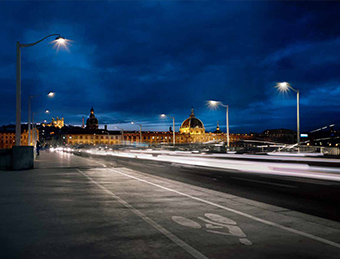
One of the most important applications of low-glare outdoor LED lighting is roadway illumination. Poor glare management can temporarily impair drivers’ vision, especially when transitioning between dark and brightly lit areas.
Low-glare LED systems help improve traffic safety by:
— Reducing visual fatigue during nighttime driving
— Improving the visibility of road markings and obstacles
— Creating more consistent lighting conditions across roadways
As cities adopt smarter transportation infrastructure, glare reduction is becoming a critical component of safe urban lighting design.
Creating More Comfortable Public Spaces
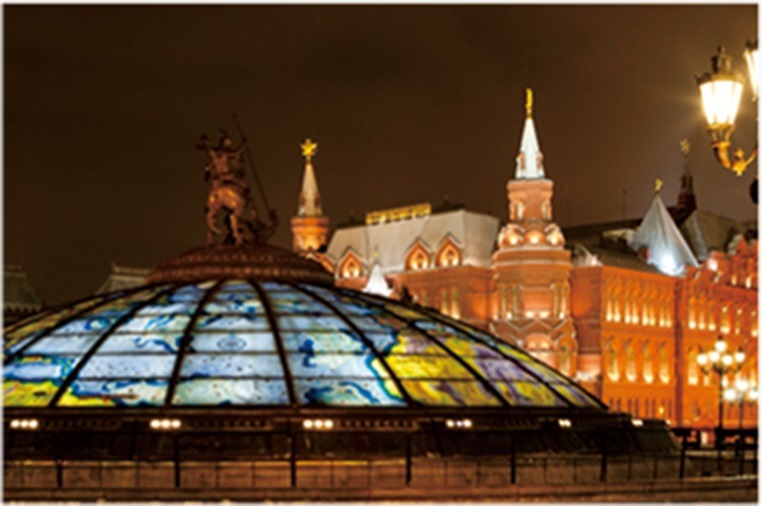
Outdoor lighting influences how people experience public environments after dark. Parks, pedestrian pathways, residential streets, and commercial districts all benefit from lighting that feels comfortable rather than overwhelming.
Low-glare LED lighting creates a more inviting atmosphere by:
— Reducing harsh reflections and excessive brightness
— Supporting relaxed visual environments in residential areas
— Enhancing nighttime aesthetics without causing discomfort
This balance between functionality and comfort is increasingly important in modern urban planning.
Supporting Energy Efficiency Without Overlighting
Another reason low-glare design is gaining importance is its relationship with energy efficiency. In the past, many outdoor spaces compensated for poor lighting quality by simply increasing brightness levels.
Modern LED optics allow lighting designers to achieve better results with less wasted light. Controlled beam angles and efficient distribution ensure that illumination reaches intended areas without unnecessary spill or overlighting.
This approach helps:
— Lower energy consumption
— Reduce light pollution
— Improve overall lighting performance
Reducing Light Pollution in Urban Environments
As awareness of environmental impact grows, reducing light pollution has become a major consideration in outdoor lighting projects. Excessive glare and poorly directed light contribute significantly to skyglow and unnecessary nighttime brightness.
Low-glare LED systems help address this issue by focusing illumination downward and limiting stray light. This not only improves visibility on the ground but also supports more sustainable and environmentally responsible urban development.
The Role of Smart Lighting Integration
Modern low-glare LED systems are increasingly paired with smart lighting technologies. Features such as adaptive dimming, motion sensing, and automated brightness control further improve visual comfort while optimizing efficiency.
For example:
— Lighting can dim during low-traffic hours
— Brightness can adjust based on weather or activity levels
— Specific zones can be illuminated without affecting surrounding areas
This intelligent approach creates outdoor environments that are safer, more comfortable, and more energy-conscious.
Conclusion
The future of outdoor lighting is not about producing more light—it is about producing better light. Low-glare LED design represents an important shift toward lighting systems that prioritize visibility, comfort, safety, and sustainability together.
As cities, businesses, and residential communities continue upgrading their outdoor infrastructure, demand for low-glare LED solutions will only continue to grow. By combining advanced optics, energy efficiency, and intelligent control, modern LED lighting systems are helping create outdoor spaces that are not only brighter, but also safer and more comfortable for everyone.
For projects focused on performance, visual comfort, and long-term reliability, professional LED solutions from providers like adtoledlight are becoming an increasingly valuable part of modern outdoor lighting design.