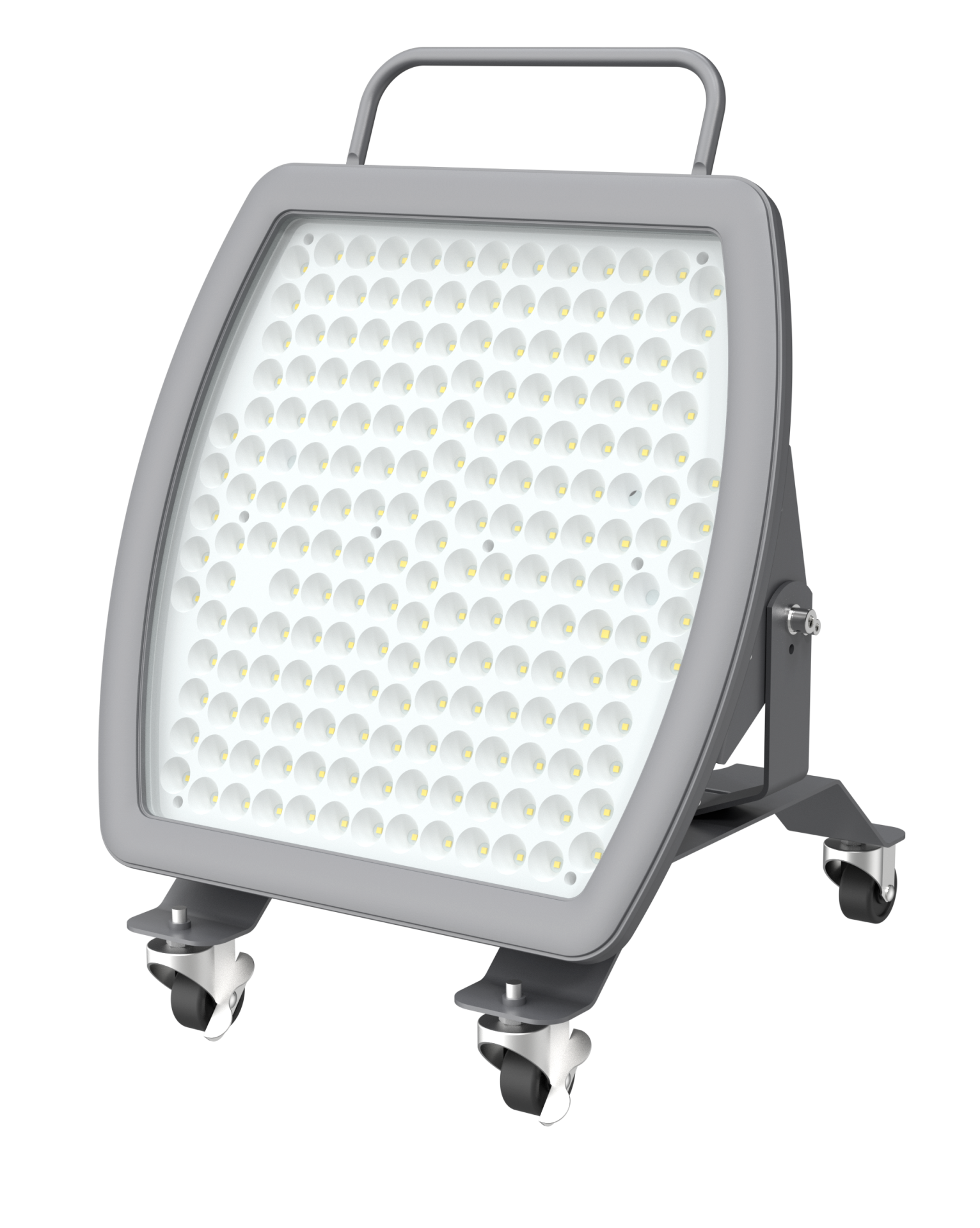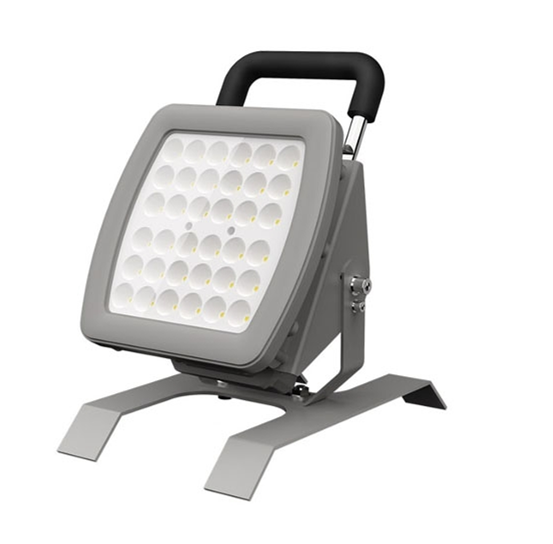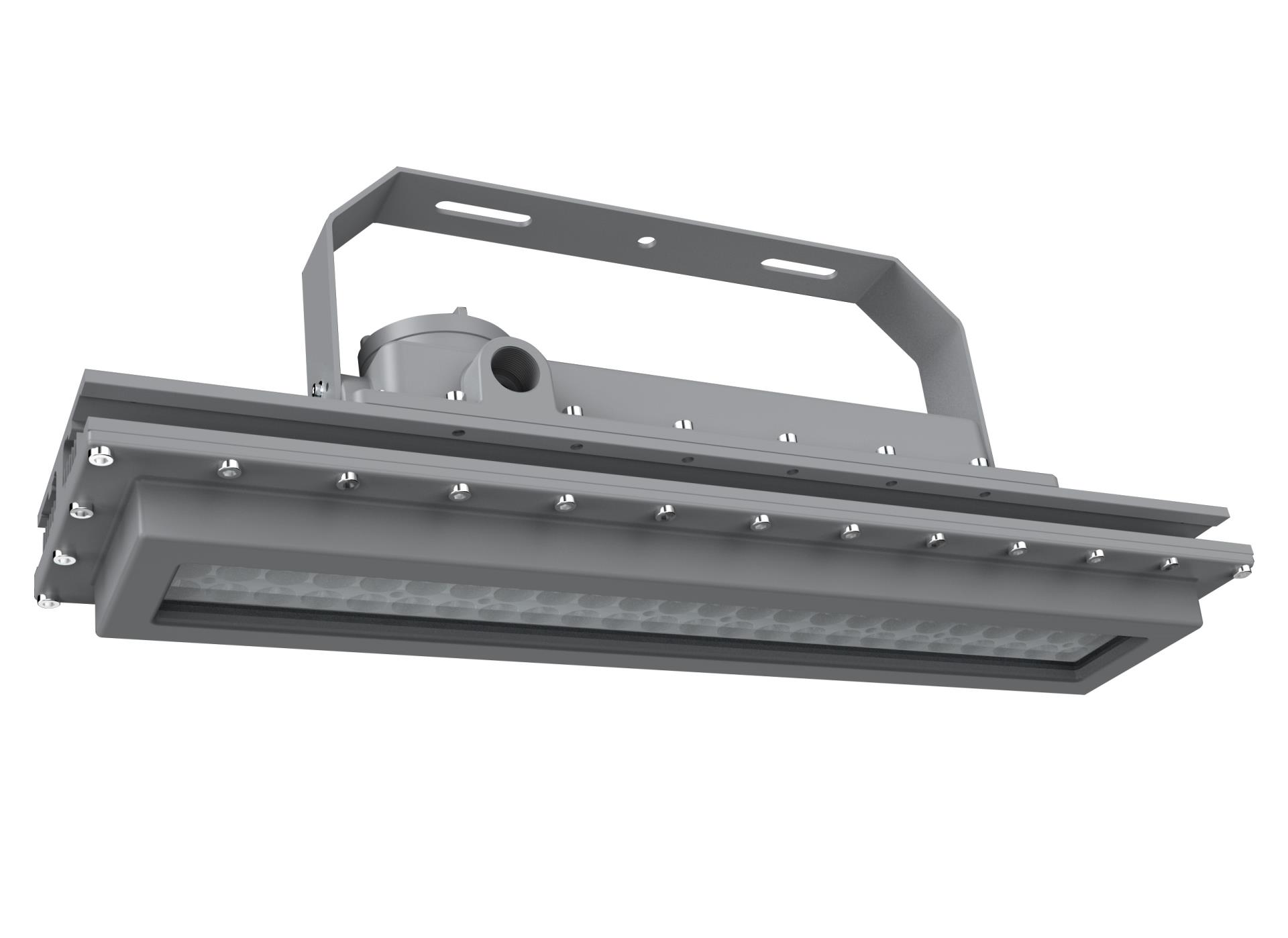





Commercial facilities are increasingly adopting LED high bay lighting not just for its brightness and efficiency, but also for the intelligent control systems that now accompany modern installations. Smart controls—ranging from occupancy sensors to automated dimming schedules—are transforming the way warehouses, factories, and large retail spaces manage lighting, offering both operational and financial benefits.
Enhanced Energy Efficiency Through Automation
One of the key advantages of smart LED high bay systems is the ability to optimize energy use automatically. Features like motion detection and daylight harvesting allow lights to adjust based on occupancy and ambient light levels. This means:
— Lights dim or turn off in unoccupied areas, reducing wasted energy
— Daylight-responsive controls maintain optimal brightness without unnecessary power consumption
— Facility managers can set schedules to ensure lighting is only active when needed
By minimizing energy waste, smart-controlled LED high bays contribute to lower utility bills and a smaller environmental footprint.
Improved Operational Flexibility
Smart controls provide facility managers with unprecedented flexibility. With centralized or app-based control systems, adjustments can be made in real-time without the need for physical intervention. For example:
— Brightness levels can be increased in high-activity zones or dimmed in low-traffic areas
— Maintenance schedules can be coordinated with lighting status, reducing disruptions
— Zones can be individually controlled, creating tailored lighting environments for different processes or areas
This flexibility ensures that commercial spaces can operate efficiently and adapt quickly to changing needs.
Data-Driven Insights for Better Facility Management
Modern smart lighting systems often include analytics capabilities. By tracking occupancy patterns, energy consumption, and light performance, facility managers gain valuable insights that inform decision-making:
— Identifying underutilized areas to adjust lighting and save energy
— Predicting maintenance needs before failures occur, reducing downtime
— Optimizing lighting layouts for safety, productivity, and comfort
These data-driven insights make LED high bay lighting more than just illumination—they become an integral part of facility management strategy.
Enhanced Safety and Comfort
Smart controls also contribute to workplace safety and employee well-being. Adequate, consistent lighting reduces the risk of accidents in industrial environments, while automated adjustments prevent overly bright or dim conditions that can cause eye strain. This ensures that employees can perform tasks safely and comfortably across large commercial spaces.
Sustainability and Cost Benefits
By combining energy efficiency, data-driven maintenance, and operational flexibility, smart LED high bay installations offer significant cost savings over traditional systems. Reduced electricity consumption, lower maintenance requirements, and longer fixture lifespans all contribute to a more sustainable and financially advantageous lighting solution.
Conclusion
Smart controls are rapidly becoming a standard feature in commercial LED high bay installations because they deliver energy savings, operational flexibility, enhanced safety, and actionable insights. For businesses looking to maximize efficiency and future-proof their facilities, integrating smart-controlled LED high bays is a clear choice. Partnering with trusted providers like adtoledlight ensures reliable, high-performance solutions that elevate both productivity and sustainability in large-scale commercial spaces.