




As warehouses and industrial spaces continue to evolve, so too do the lighting systems that power them. One of the most significant advancements in lighting technology is the integration of sensor technology into LED high bay lights. This innovation not only enhances energy efficiency but also brings a new level of intelligence and control to lighting systems. In this article, we explore how LED high bay light sensor technology is improving smart control in warehouses, helping businesses achieve better lighting management, optimize energy consumption, and create safer working environments.
The Role of Sensors in LED High Bay Lights
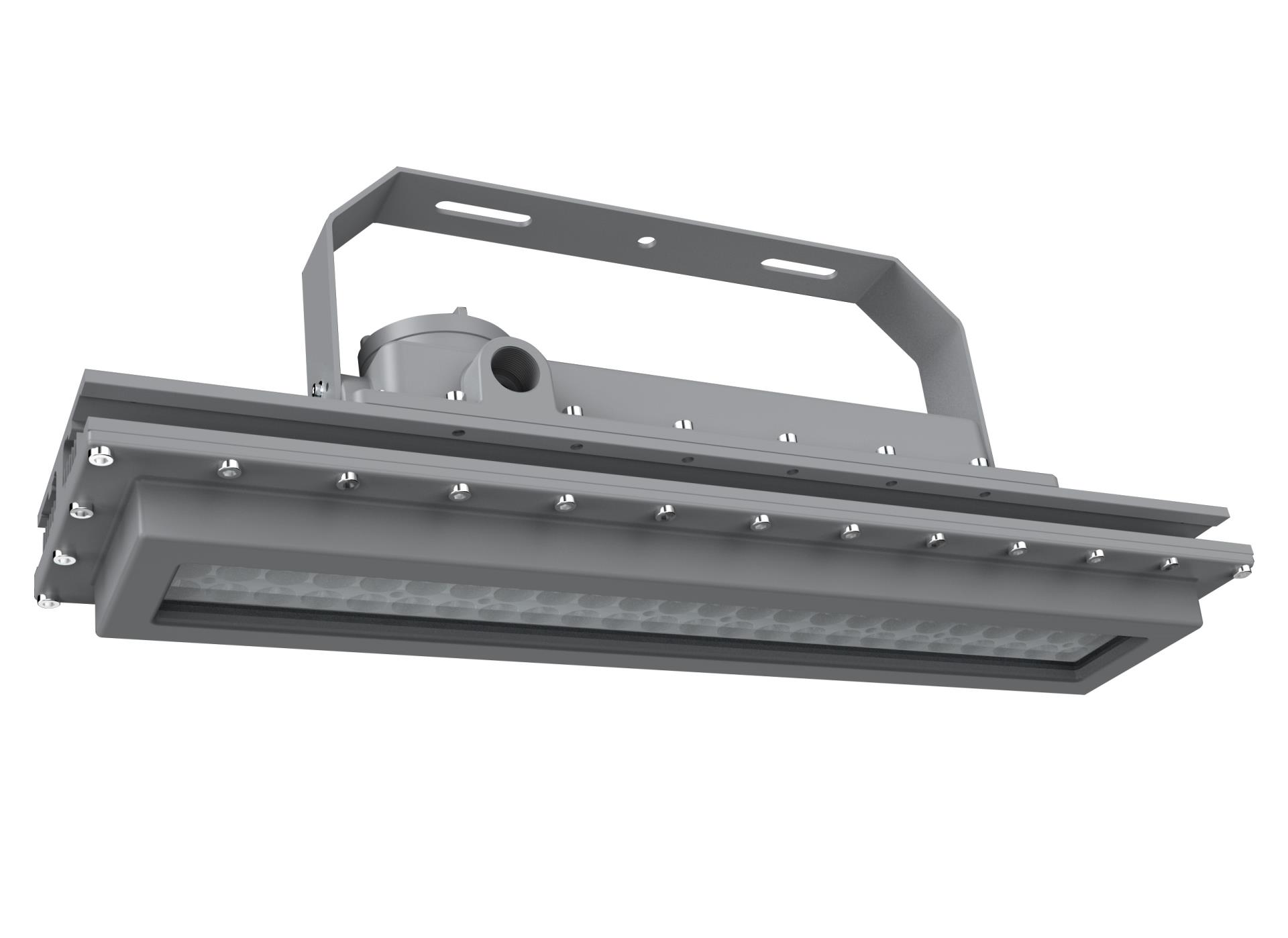
LED high bay lights are commonly used in large spaces like warehouses, distribution centers, factories, and gyms, where traditional lighting solutions often struggle to provide uniform illumination and energy efficiency. When combined with sensors, LED high bay lights are transformed into intelligent lighting systems that adapt to their surroundings and the needs of the space.
Sensor-equipped LED high bay lights can respond to a variety of environmental conditions, such as motion, ambient light levels, and temperature. This allows them to automatically adjust their brightness, turn on or off, or even dim based on the real-time conditions of the environment. The result is a lighting system that not only delivers the necessary light for tasks but also helps to conserve energy by reducing the amount of light used when it's not needed.
Key Benefits of Sensor Technology in LED High Bay Lights
1. Energy Savings and Cost Efficiency
One of the primary advantages of sensor technology in LED high bay lights is the energy savings it offers. Traditional lighting systems often operate at full brightness 24/7, leading to unnecessary energy consumption. However, with sensors like motion detectors and ambient light sensors, LED high bay lights can be programmed to turn off or dim when no movement is detected or when natural light is sufficient. This reduces the amount of energy consumed and results in significant cost savings over time.
For instance, motion sensors ensure that lights only turn on when someone enters a specific area. This is especially beneficial in areas of a warehouse that are not frequently used, such as storage spaces or aisles that are rarely trafficked. By only illuminating areas that are in use, businesses can lower their overall lighting energy consumption, thus saving on electricity costs.
2. Improved Safety and Security
In warehouses, proper lighting is crucial for maintaining safety and security. Insufficient lighting can lead to accidents, and poorly lit areas can make the space more vulnerable to theft or break-ins. LED high bay lights with integrated sensors improve safety by automatically adjusting lighting based on the needs of the space.
For example, if an employee enters a dark area of a warehouse, motion sensors will trigger the lights to turn on, ensuring visibility. Additionally, some advanced sensor systems include occupancy sensors, which detect the presence of people and ensure that high-traffic areas are always adequately lit. These sensors can also provide real-time alerts if unusual movements or security breaches are detected, allowing for faster response times and enhanced security measures.
3. Optimized Lighting Performance
Sensor technology enhances the performance of LED high bay lights by ensuring that they deliver the right level of brightness at all times. This is particularly important in areas with variable lighting requirements, such as warehouses that rely on different light intensities depending on the time of day or specific tasks being performed.
Daylight harvesting sensors are one such example of how smart LED systems optimize lighting performance. These sensors monitor the amount of natural light entering the space through windows or skylights and adjust the artificial lighting levels accordingly. On a sunny day, the system dims the LED high bay lights, relying more on natural light. Conversely, on cloudy days or during the evening, the system automatically brightens the lights to maintain a consistent lighting level. This ensures a comfortable working environment while minimizing energy usage.
4. Extended Lifespan of Lighting Systems
With sensors managing the lighting needs of the space, LED high bay lights are used only when necessary, reducing the wear and tear on the system. Automatic dimming and switching off also prevent the lights from running continuously, which can extend their lifespan. In addition, the sensors themselves are designed to be durable and low-maintenance, further contributing to the longevity of the entire lighting system.
In industrial environments where lights are often in operation for long hours, such as warehouses or factories, this extended lifespan is crucial. Businesses can significantly reduce maintenance costs and the need for frequent bulb replacements, which are common in traditional lighting systems.
5. Real-Time Monitoring and Control
Another key advantage of sensor-integrated LED high bay lights is the ability to monitor and control the system in real-time. Advanced lighting management systems allow facility managers to remotely adjust the lighting settings, monitor energy consumption, and even receive diagnostic alerts if issues arise. These systems offer greater flexibility and control, ensuring that the lighting is always optimized for both energy savings and task requirements.
For instance, warehouse managers can use mobile apps or computer interfaces to adjust lighting settings in specific areas based on the changing needs of the space. This level of control helps businesses respond quickly to changes in their operational environment and ensures that lighting remains efficient and effective at all times.
Types of Sensors Used in LED High Bay Lights
Several types of sensors can be integrated into LED high bay lights to improve performance and control. Some of the most common sensors used in these systems include:
— Motion Sensors: These sensors detect movement and activate the lights when someone enters or moves through the space. They are ideal for areas where the presence of people is intermittent.
— Occupancy Sensors: Similar to motion sensors, occupancy sensors monitor both movement and the presence of people in a given area. These sensors can turn the lights on or off depending on whether or not the area is occupied.
— Daylight Sensors: These sensors detect the amount of natural light in the space and adjust the brightness of the LEDs accordingly, ensuring energy efficiency.
— Temperature Sensors: In environments where temperature control is critical, such as cold storage areas, temperature sensors help ensure the lights remain effective and safe without overheating.
Conclusion: The Future of Smart Warehouse Lighting
The integration of sensor technology into LED high bay lights is revolutionizing the way warehouses and industrial spaces manage their lighting systems. These advanced sensors provide a level of intelligence that allows businesses to optimize energy use, improve safety, extend the lifespan of their lighting systems, and create more efficient, responsive working environments.
As the demand for energy-efficient and smart lighting solutions continues to grow, the use of sensor-enabled LED high bay lights will only become more widespread. With their ability to adapt to changing conditions and provide real-time control, these lights represent the future of warehouse lighting—smart, efficient, and tailored to the needs of the space.
By embracing this technology, businesses can ensure that their lighting systems are not only cost-effective and sustainable but also contribute to a safer and more productive work environment. The combination of energy savings, safety improvements, and extended lighting lifespan makes LED high bay lights with sensor technology a wise investment for warehouses and large-scale industrial facilities.