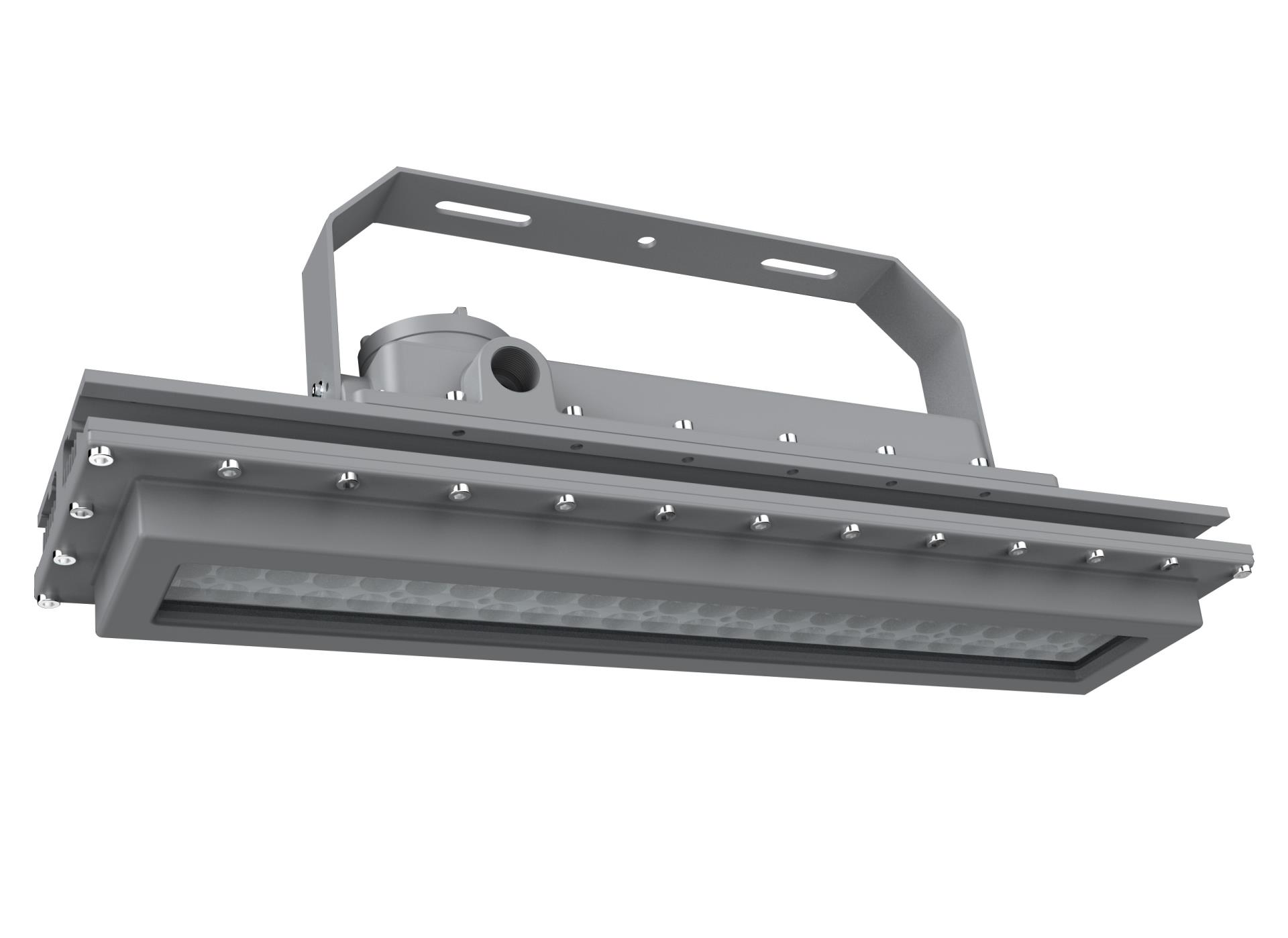








Indoor lighting quietly shapes how we work, relax, and live every day. While brightness is often the first factor people consider, the real impact of lighting goes much deeper. Poor lighting choices can cause eye strain, headaches, and reduced concentration, especially in spaces where people spend long hours indoors. As LED technology evolves, eye-friendly indoor LED lighting has become a key focus for both residential and commercial environments.
Understanding how LED lighting interacts with human vision helps explain why modern indoor LEDs are designed not just to illuminate spaces, but to protect visual comfort and overall well-being.
How Light Affects Human Eyes Indoors
Human eyes are sensitive to more than just light intensity. Factors such as flicker, glare, color temperature, and color rendering all influence how comfortable a light source feels over time.
Traditional lighting systems often produce unstable light output or excessive glare, which forces the eyes to constantly adjust. Over extended periods, this can lead to visual fatigue and discomfort. Advanced indoor LED lighting addresses these issues by delivering more controlled, consistent illumination that aligns with how the human eye naturally functions.
Flicker Control for Visual Stability
One of the most important aspects of eye-friendly LED lighting is flicker reduction. Invisible flicker, often caused by low-quality drivers, can still strain the eyes and nervous system even if it is not consciously perceived.
High-quality indoor LED lights use refined driver technology to ensure stable current output. This minimizes flicker and creates smooth, continuous illumination, making indoor environments more comfortable for reading, screen-based work, and detailed tasks.
Balanced Color Temperature for Different Spaces
Color temperature plays a significant role in visual comfort. Light that is too cool may feel harsh and overstimulating, while overly warm light can reduce alertness and clarity.
Eye-friendly indoor LED lighting offers balanced color temperature options tailored to specific spaces:
— Neutral white lighting supports focus in offices and study areas
— Warm white tones create relaxed atmospheres in living rooms and hospitality spaces
— Adjustable color temperature systems allow lighting to adapt throughout the day
By aligning indoor lighting with natural human rhythms, LEDs help reduce eye fatigue while enhancing productivity and comfort.
High Color Rendering for Natural Visual Perception
Color rendering describes how accurately a light source reveals the true colors of objects. Poor color rendering forces the eyes to work harder to distinguish details, especially in indoor environments.
Modern indoor LED lighting is engineered with high color rendering performance, ensuring that colors appear natural and balanced. This is particularly important in homes, retail environments, healthcare facilities, and creative spaces where visual accuracy directly affects experience and performance.
Glare Reduction Through Optical Design
Glare is another common cause of eye discomfort indoors. Direct exposure to harsh light sources or poorly diffused fixtures can create visual stress and uneven lighting.
Advanced LED optical designs use diffusers, lenses, and optimized beam angles to soften light distribution. This reduces harsh contrasts and creates evenly lit spaces that feel visually calm without sacrificing brightness.
Energy Efficiency Without Compromising Comfort
Eye-friendly indoor LED lighting does not come at the cost of efficiency. LEDs consume significantly less energy than traditional lighting while maintaining stable, comfortable illumination. Their long lifespan also reduces maintenance frequency, making them a practical choice for both residential and commercial buildings.
This combination of energy savings and visual comfort makes LED lighting a smart long-term solution for modern indoor environments.
Why Eye-Friendly Lighting Matters More Than Ever
As people spend more time indoors—working, studying, and relaxing under artificial light—the quality of that light becomes increasingly important. Eye-friendly indoor LED lighting supports healthier visual environments, improves focus, and enhances overall quality of life.
From private homes to offices, schools, and public buildings, lighting that prioritizes human comfort is no longer a luxury but a necessity.
Conclusion
The science behind eye-friendly indoor LED lighting lies in thoughtful engineering—stable output, balanced color temperature, reduced glare, and accurate color rendering all work together to protect visual health. Choosing the right indoor LED lighting creates spaces that are not only well-lit but also comfortable and sustainable.
As indoor lighting standards continue to evolve, companies like adtoledlight remain committed to delivering advanced LED solutions that balance efficiency, innovation, and human-centric design—helping create indoor environments where people can see better, feel better, and live better.