



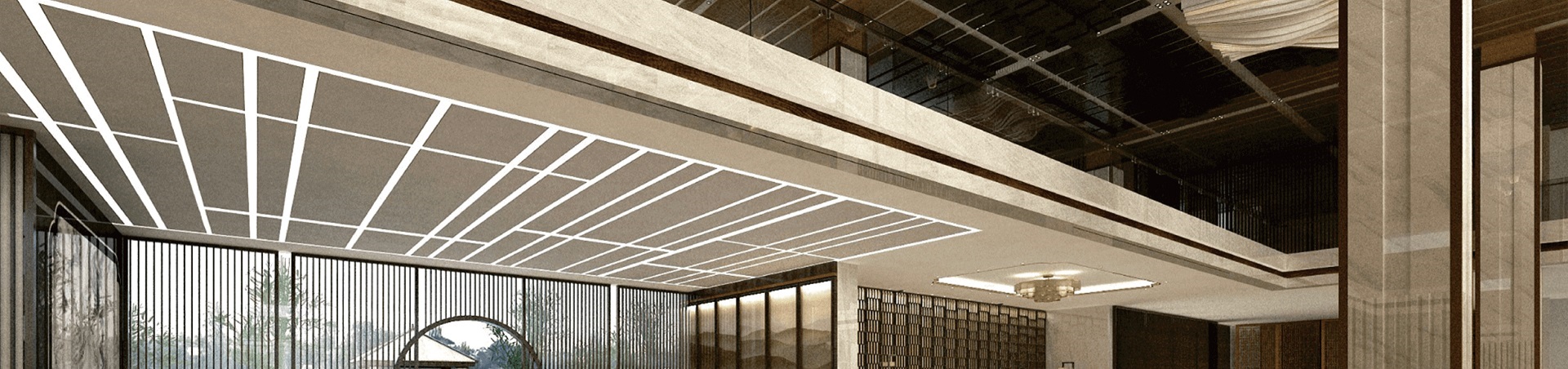

In modern interior design, lighting is no longer just a functional necessity but a key element in creating a well-balanced and aesthetically pleasing environment. Layered LED lighting, which combines different types of light in various intensities, is one of the most effective ways to achieve this. By strategically layering ambient, task, and accent lighting, homeowners can enhance the mood, functionality, and beauty of their spaces. This article explores how layered LED lighting transforms residential interiors and offers practical tips for implementing it in your own home.
Understanding Layered LED Lighting
Layered LED lighting refers to the use of multiple lighting layers in a room to achieve balance and flexibility. Each layer has a unique purpose:
Ambient lighting: This is the primary source of light in a room, providing overall illumination and ensuring that the space is well-lit. It’s often provided by overhead ceiling lights or recessed lighting.
Task lighting: This layer is focused on providing light for specific tasks, such as reading, cooking, or working. Desk lamps, under-cabinet lights, and pendant lights are common examples of task lighting.
Accent lighting: This layer adds depth and highlights certain features in the room, such as artwork, architectural elements, or plants. It can be achieved through spotlights, wall sconces, or LED strips.
By combining these layers, LED lighting allows homeowners to adjust the lighting to suit different activities, moods, and times of day.
Creating Ambiance with LED Lighting
LED lights are a game-changer when it comes to creating the perfect ambiance. Their versatility in color temperature and dimming capabilities offers unparalleled flexibility. For example, a warm white light can create a cozy, inviting atmosphere in the living room, while cooler whites are better suited for areas like kitchens or home offices where clarity and focus are required.
The beauty of layered LED lighting is its ability to adapt to the needs of different spaces. In a living room, for instance, you can use ambient LED lighting to fill the space with soft light, task lighting to illuminate reading corners or work areas, and accent lighting to highlight artwork or architectural features. Together, these layers not only improve the functionality of the room but also create a more inviting, comfortable environment.
Energy Efficiency with LED Technology
Incorporating LED lights into your home design doesn’t just enhance aesthetics – it also supports energy efficiency. LEDs are highly efficient compared to traditional lighting options, consuming up to 80% less energy. Additionally, their long lifespan means fewer replacements, making them a more sustainable choice in the long run.
With smart controls, such as dimmers and timers, layered LED lighting can be tailored to different activities while minimizing energy consumption. For example, dimming the lights in the evening or turning off lights when not needed ensures that energy is used more effectively. This makes layered LED lighting a cost-effective and eco-friendly solution for modern homes.
Versatility in Design
LED lighting is incredibly versatile, offering homeowners the ability to change the mood and functionality of a room with the flip of a switch. Layered lighting can be customized to suit any interior design style, whether it’s a minimalist, industrial, traditional, or contemporary setting.
For instance, in a dining room, a combination of pendant lights (task lighting) above the dining table, recessed ceiling lights (ambient lighting), and LED strip lights along the edges of the ceiling (accent lighting) can create a stunning visual effect. In a bedroom, warm LED lighting combined with under-bed lighting or wall-mounted accent lights can create a relaxing, restful environment.
The Psychological Impact of Layered Lighting
The way lighting is layered in a space can have a profound effect on the psychology of those who live in it. Studies show that exposure to certain types of lighting can influence mood, energy levels, and even productivity. Layered LED lighting allows you to tailor the environment to evoke the desired emotional response.
For example, brighter task lighting in workspaces can increase focus and productivity, while dimmed, warm lights in a bedroom can promote relaxation and sleep. By thoughtfully layering light, you can create spaces that support various activities, from socializing and entertaining to working or unwinding.
Tips for Implementing Layered LED Lighting in Your Home
Start with Ambient Lighting: Use ceiling-mounted fixtures or recessed LED lights to provide even, general lighting. This layer serves as the foundation for the rest of the lighting plan.
Add Task Lighting for Functionality: Install under-cabinet lights in the kitchen, desk lamps in home offices, or bedside lamps for reading. Task lighting should be bright enough to serve its intended purpose without creating harsh shadows.
Use Accent Lighting for Focus: LED strip lights, spotlights, and wall-mounted fixtures can draw attention to artwork, plants, or unique architectural features in the room. Focus on areas that you want to highlight or create visual interest.
Adjust the Brightness: Incorporate dimmable LED lights to adjust the brightness according to different activities or moods. Smart controls or dimmers can make it easy to switch between a bright, energetic atmosphere and a soft, intimate one.
Play with Color Temperature: Experiment with different color temperatures for different areas of the home. Use cooler whites in workspaces and warmer whites or soft yellows in living spaces or bedrooms.
Conclusion
Layered LED lighting is the perfect solution for homeowners looking to elevate their interior design while enhancing functionality. With its ability to create ambiance, improve energy efficiency, and offer endless design possibilities, LED lighting is a smart choice for modern homes. Whether you’re redesigning a single room or your entire home, layering your lighting will help you create spaces that are not only beautiful but also functional, comfortable, and energy-efficient.
Incorporating LED lighting layers into your home design is more than just a trend; it’s a long-term investment in both style and sustainability. By making the most of LED technology, you can enhance the atmosphere of your home, increase energy savings, and enjoy a lighting solution that adapts to your every need.