


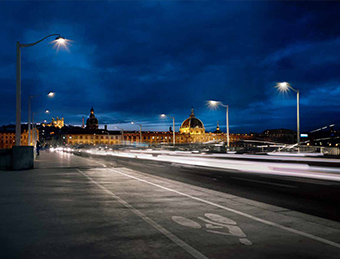

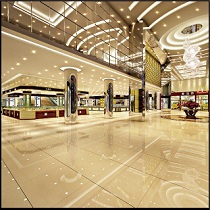



Outdoor lighting has long been an essential element of urban landscapes, enhancing both the beauty and safety of public spaces. As cities evolve into smarter, more sustainable environments, the role of lighting has become even more significant. Among the most transformative innovations in urban lighting is the adoption of outdoor LED lighting. In this article, we will explore how outdoor LED lighting influences the atmosphere of public urban spaces and why it’s becoming a preferred choice for cities around the world.
The Role of Outdoor LED Lighting in Urban Design
Outdoor LED lighting plays a vital role in the overall design of public spaces, serving both functional and aesthetic purposes. Beyond simply illuminating streets, parks, and plazas, LEDs are now being used to create a sense of place, define boundaries, and set the tone for how people interact with their environment.
LEDs offer numerous advantages, including energy efficiency, long lifespan, and versatility in design. These features allow urban planners and designers to experiment with lighting designs that enhance the character of the space while also addressing practical concerns like safety and accessibility.
Creating Ambiance and Enhancing Mood
One of the most impactful ways outdoor LED lighting shapes public spaces is through the creation of ambiance. Different color temperatures, light intensity, and lighting patterns can dramatically affect the mood and feel of a space.
1. Warm White Lighting: Soft, warm white LED lighting can create a welcoming and intimate atmosphere in public squares, streets, or parks. It can evoke a sense of calm and relaxation, making these areas feel more inviting in the evening hours. Warm lighting is often used in leisure spaces, cafes, and cultural areas to enhance social interactions.
2. Cool White or Blue Lighting: On the other hand, cool white or blue LED lighting is often associated with modernity and energy. It can be used in urban environments where there is a need to highlight architectural features or create a vibrant and dynamic atmosphere. Such lighting is often used in business districts, transportation hubs, or areas with high foot traffic.
3. Colored Lighting: With the capability of RGB LEDs, urban spaces can transform into colorful and dynamic environments. Colored LED lights are often used for festivals, celebrations, or events to inject a sense of excitement and energy into the space. Additionally, color-changing LEDs allow for flexible lighting solutions that can adapt to different occasions or seasons.
Enhancing Public Safety and Security
In urban spaces, safety is a critical concern, particularly in areas with high pedestrian activity or in places that are prone to crime. LED outdoor lighting is not just about aesthetics—it also plays an essential role in ensuring public safety.
1. Better Visibility: LED lights offer superior brightness and focus compared to traditional lighting sources, ensuring better visibility in streets, walkways, and public parks. With LEDs, dark spots are minimized, and high-traffic areas such as bus stations and crosswalks are better illuminated, which reduces the risk of accidents and enhances security for pedestrians and cyclists.
2. Energy Efficiency and Cost Reduction: Traditional outdoor lighting systems, such as incandescent or sodium vapor lights, tend to consume a lot of energy and require frequent maintenance. LED lighting, on the other hand, is energy-efficient, reducing electricity consumption and long-term costs. With longer lifespans, LEDs also reduce the frequency of replacements, saving cities money on maintenance and waste disposal.
3. Smart Lighting for Security: The integration of smart technology into outdoor LED systems allows for dynamic adjustments based on real-time conditions. For instance, smart LEDs can adjust their brightness depending on the presence of movement, ensuring that high-risk areas are lit when needed and dimming during quieter hours. These features improve both energy efficiency and the safety of public spaces.
Supporting Sustainable Urban Development
As cities strive for sustainability, the adoption of LED lighting is a key component of their green initiatives. Outdoor LED lights consume significantly less energy than traditional lighting systems, making them an essential part of any eco-friendly urban development.
1. Reducing Carbon Footprint: The energy efficiency of LED lighting helps cities lower their carbon emissions, contributing to overall sustainability goals. LED lights not only consume less power but also have a longer operational life, reducing waste and the need for frequent replacements.
2. Solar-Powered LED Options: In some urban areas, solar-powered LED lighting systems are being utilized to reduce dependence on grid energy. By harnessing the power of the sun, solar-powered LEDs help cities save on electricity costs and further reduce their environmental impact.
3. Reducing Light Pollution: Properly designed outdoor LED lighting minimizes light spill and reduces light pollution, which is a common issue in densely populated urban areas. By directing light exactly where it’s needed, LEDs help preserve the natural nighttime environment and improve the quality of life for both humans and wildlife.
How LED Lighting Enhances Urban Landmarks and Architecture
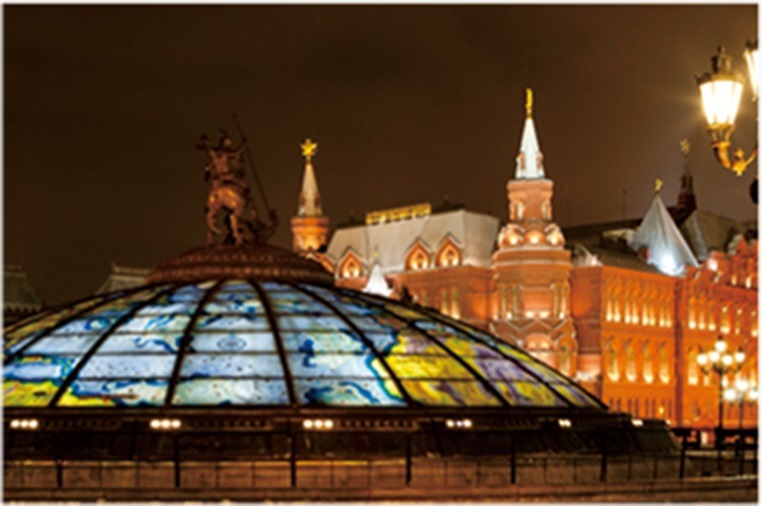
LED lighting has also become a powerful tool for highlighting urban landmarks and architectural features, turning ordinary spaces into extraordinary works of art. In modern cities, public buildings, sculptures, bridges, and historical landmarks are often illuminated with LED lights to showcase their design and cultural significance.
1. Architectural Lighting: With precise control over color, intensity, and pattern, LEDs allow architects and designers to enhance the details of buildings and structures, making them stand out in the night skyline. LED lighting can also create dramatic effects, drawing attention to specific architectural elements or creating a visual narrative for visitors.
2. Cultural and Historical Sites: Cities with rich histories often use LED lighting to accentuate cultural monuments and historical landmarks. Thoughtfully designed lighting systems can evoke a sense of reverence and awe, helping preserve and celebrate a city’s heritage.
Conclusion
Outdoor LED lighting has transformed urban landscapes, enhancing both the aesthetic appeal and functionality of public spaces. From setting the right mood to increasing safety and reducing energy consumption, the benefits of outdoor LED lighting are undeniable. Whether it’s illuminating a quiet park, highlighting a bustling city square, or guiding pedestrians through a busy street, LEDs have the power to shape the atmosphere of urban spaces in profound ways.
As cities continue to evolve into smarter, more sustainable environments, the role of outdoor LED lighting will only become more significant. With its versatility, energy efficiency, and ability to create immersive environments, outdoor LED lighting is paving the way for the future of urban design. By embracing this technology, cities can foster safer, more vibrant, and environmentally-conscious public spaces for everyone to enjoy.
For more cutting-edge lighting solutions that help transform your urban environment, adtoledlight offers a wide range of outdoor LED lighting products designed to meet the needs of modern cities and communities.