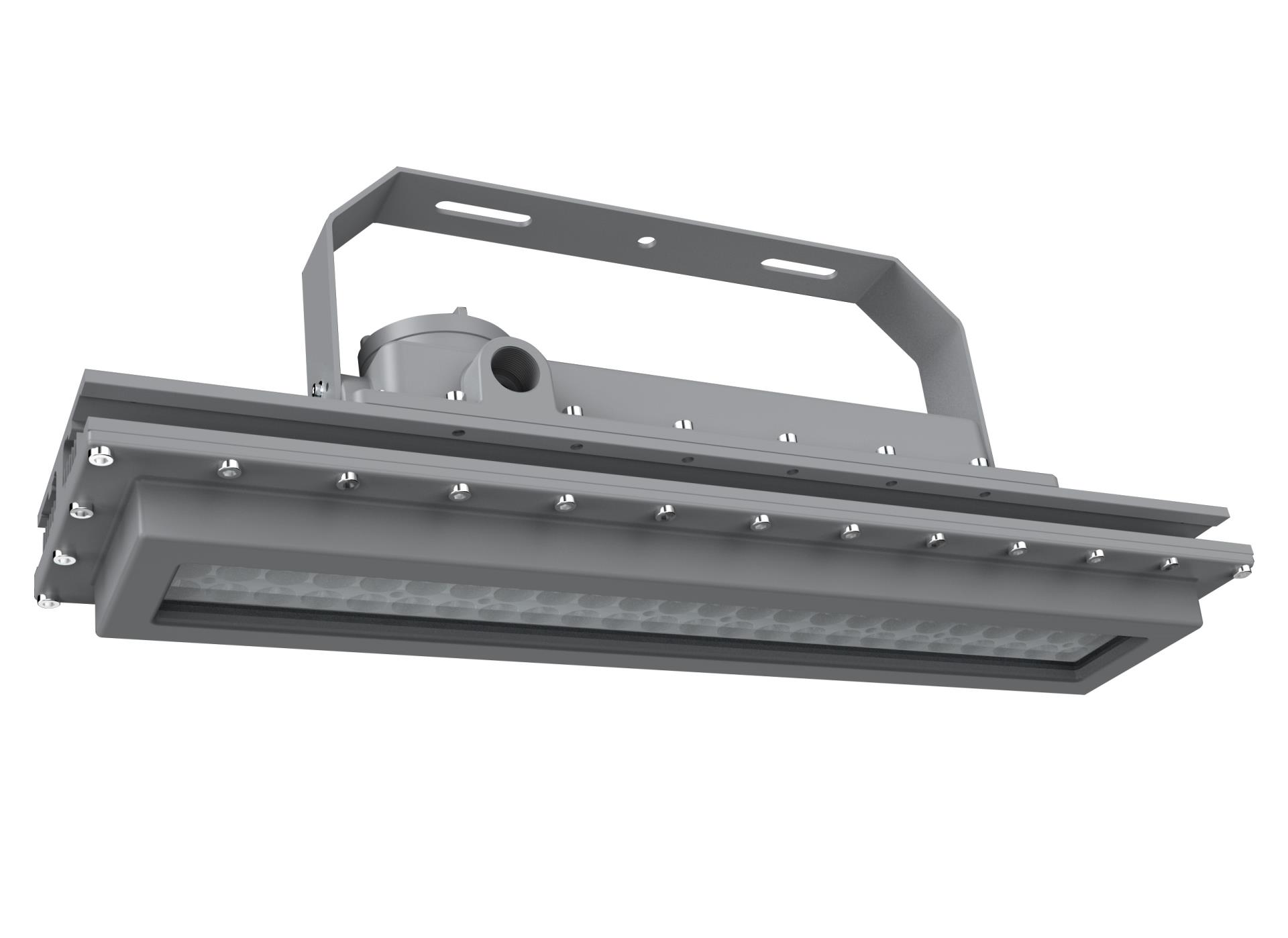





In oil and gas facilities, lighting is often evaluated primarily through a safety lens—and rightly so. Hazardous zones demand strict compliance, robust equipment, and zero tolerance for failure. However, focusing only on safety can overlook a critical advantage: the long-term cost savings that modern explosion-proof LED lighting brings to operations. Beyond compliance, these systems deliver measurable financial benefits that directly impact efficiency, maintenance, and overall lifecycle costs.
Moving Beyond Upfront Cost Thinking
At first glance, explosion-proof LED fixtures may appear more expensive than traditional lighting solutions such as metal halide or high-pressure sodium lamps. But in oil and gas environments, where lighting operates continuously and maintenance is complex, upfront cost tells only a small part of the story.
When evaluated over time, explosion-proof LEDs consistently outperform conventional lighting in terms of durability, energy consumption, and operational reliability—factors that translate into substantial cost savings.
Significant Energy Reduction in Continuous Operations
Oil and gas facilities often run 24/7, making energy consumption a major operational expense. Explosion-proof LED lighting systems are designed to deliver high luminous output while consuming significantly less power.
Compared to traditional fixtures, LEDs can reduce energy usage by a substantial margin. Over time, this reduction leads to:
— Lower electricity bills across large-scale facilities
— Reduced load on power systems, especially in remote sites
— Improved overall energy efficiency metrics
In environments where hundreds or thousands of fixtures are in operation, even small efficiency gains per unit can result in considerable savings.
Lower Maintenance in High-Risk Areas
Maintenance in hazardous zones is not only costly—it is also time-consuming and operationally disruptive. Every maintenance activity may require:
— Specialized personnel and safety procedures
— Temporary shutdowns or restricted access
— Additional compliance checks and documentation
Explosion-proof LED lights are engineered with long lifespans, often exceeding tens of thousands of hours. This dramatically reduces the frequency of replacements and repairs.
Fewer maintenance cycles mean:
— Reduced labor costs
— Less downtime in critical operations
— Lower risk exposure for maintenance teams
In oil and gas settings, minimizing maintenance is not just about saving money—it’s about maintaining continuous, safe production.
Improved Reliability Reduces Operational Risks
Lighting failures in hazardous environments can lead to more than inconvenience—they can compromise safety and productivity. Traditional lighting systems are more prone to failure due to vibration, temperature fluctuations, and harsh environmental conditions.
Explosion-proof LEDs are built to withstand these challenges, offering:
— Stable performance in extreme temperatures
— Resistance to shock and vibration
— Consistent light output over time
This reliability reduces the risk of unexpected outages, which can otherwise lead to costly interruptions or emergency repairs.
Efficient Heat Management Cuts Hidden Costs
Heat generation is often an overlooked factor in lighting costs. Traditional lighting systems produce significant heat, which can impact surrounding equipment and increase cooling requirements.
LED technology generates far less heat and incorporates advanced thermal management systems. This leads to:
— Lower cooling and ventilation costs
— Reduced stress on nearby equipment
— Extended lifespan of both lighting and surrounding systems
In enclosed or sensitive environments, effective heat control contributes directly to operational efficiency.
Compliance and Insurance Advantages
Meeting safety standards is mandatory in oil and gas operations, but the choice of lighting can influence compliance costs over time. High-quality explosion-proof LED fixtures are designed to meet international certifications, ensuring long-term regulatory alignment.
Consistent compliance can also:
— Reduce the likelihood of penalties or operational delays
— Support smoother inspections and audits
— Potentially lower insurance premiums due to improved safety records
These indirect financial benefits further strengthen the case for LED adoption.
Lifecycle Value Over Short-Term Savings
When all factors are considered—energy efficiency, maintenance reduction, reliability, and compliance—explosion-proof LED lighting delivers superior lifecycle value compared to traditional systems.
Instead of focusing on initial purchase price, forward-thinking operators evaluate total cost of ownership. In this context, LEDs emerge as a strategic investment that supports both financial performance and operational resilience.
Conclusion
Explosion-proof LED lighting is often chosen for safety, but its financial advantages are equally compelling. By reducing energy consumption, minimizing maintenance, improving reliability, and supporting compliance, these systems unlock hidden cost savings that accumulate over time.
For oil and gas operators looking to optimize both safety and efficiency, adopting explosion-proof LEDs is not just a technical upgrade—it is a smart, long-term investment that strengthens the foundation of modern industrial operations.
In a sector where every decision impacts both risk and cost, choosing advanced lighting solutions from trusted providers like adtoledlight helps ensure that safety and savings go hand in hand.