

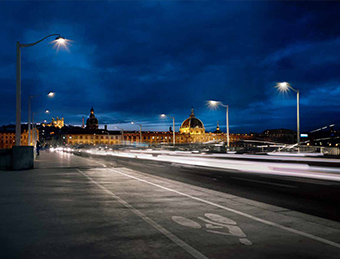

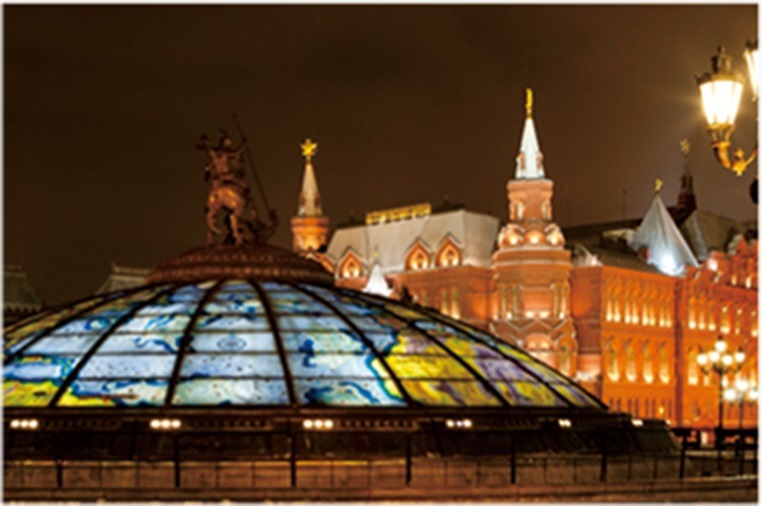



Cities are becoming more complex, with growing populations, increasing traffic density, and higher expectations for public safety. In this environment, lighting is no longer a background utility—it is a critical part of urban infrastructure. Outdoor LED lighting has emerged as a powerful solution, helping municipalities and planners create safer streets, smoother traffic flow, and more efficient public spaces.
Why Lighting Matters in Urban Environments
Urban safety and traffic efficiency are closely tied to visibility. Poorly lit roads, intersections, and pedestrian areas can lead to accidents, congestion, and security risks. Traditional lighting systems often fall short due to uneven illumination, slow response times, and high maintenance requirements.
Outdoor LED lighting addresses these challenges by delivering consistent brightness, better light distribution, and intelligent control capabilities. As a result, cities can significantly improve both safety and mobility.
Enhancing Road Visibility for Safer Driving
One of the most immediate benefits of outdoor LED lighting is improved road visibility. LED fixtures provide:
— Higher brightness with uniform distribution, reducing dark spots on roads
— Better color rendering, allowing drivers to distinguish objects, signs, and road markings more clearly
— Reduced glare, minimizing visual discomfort for drivers at night
This enhanced visibility helps drivers react more quickly to obstacles, pedestrians, and changing traffic conditions, ultimately reducing the likelihood of accidents.
Improving Pedestrian Safety
Pedestrian safety is a major concern in urban planning, especially in busy intersections, crosswalks, and public spaces. Outdoor LED lighting plays a crucial role by:
— Clearly illuminating sidewalks, crossings, and public areas
— Increasing visibility of pedestrians to drivers
— Creating a sense of security that encourages more nighttime activity
Well-lit environments not only reduce accidents but also help deter crime, making streets feel safer and more welcoming for residents and visitors alike.
Supporting Smarter Traffic Flow
Modern outdoor LED lighting systems can be integrated with smart control technologies, allowing cities to manage traffic more efficiently. Features such as:
— Adaptive brightness control based on traffic volume
— Motion and sensor-based lighting in low-traffic areas
— Synchronization with traffic signals and monitoring systems
enable lighting to respond dynamically to real-time conditions.
For example, during peak traffic hours, lighting can be intensified at intersections and major roads to improve visibility and flow. In quieter periods, lights can dim to conserve energy without compromising safety.
Reducing Maintenance Disruptions
Frequent maintenance of traditional lighting systems can disrupt traffic and create temporary hazards. Outdoor LED lighting significantly reduces these issues due to:
— Long operational lifespan, often exceeding 50,000 hours
— Stable performance under varying weather conditions
— Lower failure rates, minimizing unexpected outages
With fewer maintenance interventions required, cities can maintain consistent lighting coverage while avoiding unnecessary road closures or disruptions.
Energy Efficiency and Sustainable Urban Development
Outdoor LED lighting is not only effective but also highly energy-efficient. Compared to conventional lighting systems, LEDs consume significantly less power while delivering superior performance. This contributes to:
— Lower operational costs for municipalities
— Reduced carbon emissions
— More sustainable urban development
In addition, combining LED systems with renewable solutions like solar-powered lighting can further enhance energy savings and support long-term environmental goals.
Flexibility Across Urban Applications
Outdoor LED lighting is versatile and adaptable to a wide range of urban scenarios, including:
— Roadways and highways, where consistent illumination improves driving safety
— Public parks and recreational areas, enhancing usability after dark
— Parking lots and transit hubs, increasing security and visibility
— Residential neighborhoods, creating safer and more livable communities
This flexibility allows city planners to design lighting systems tailored to specific needs while maintaining a cohesive urban lighting strategy.
Conclusion
Outdoor LED lighting is transforming the way cities approach safety and traffic management. By improving visibility, supporting smart control systems, and reducing maintenance challenges, LED lighting provides a reliable foundation for modern urban infrastructure.
As cities continue to expand and evolve, investing in advanced outdoor LED lighting is not just a technological upgrade—it is a strategic move toward safer streets, smoother traffic flow, and more sustainable urban living.