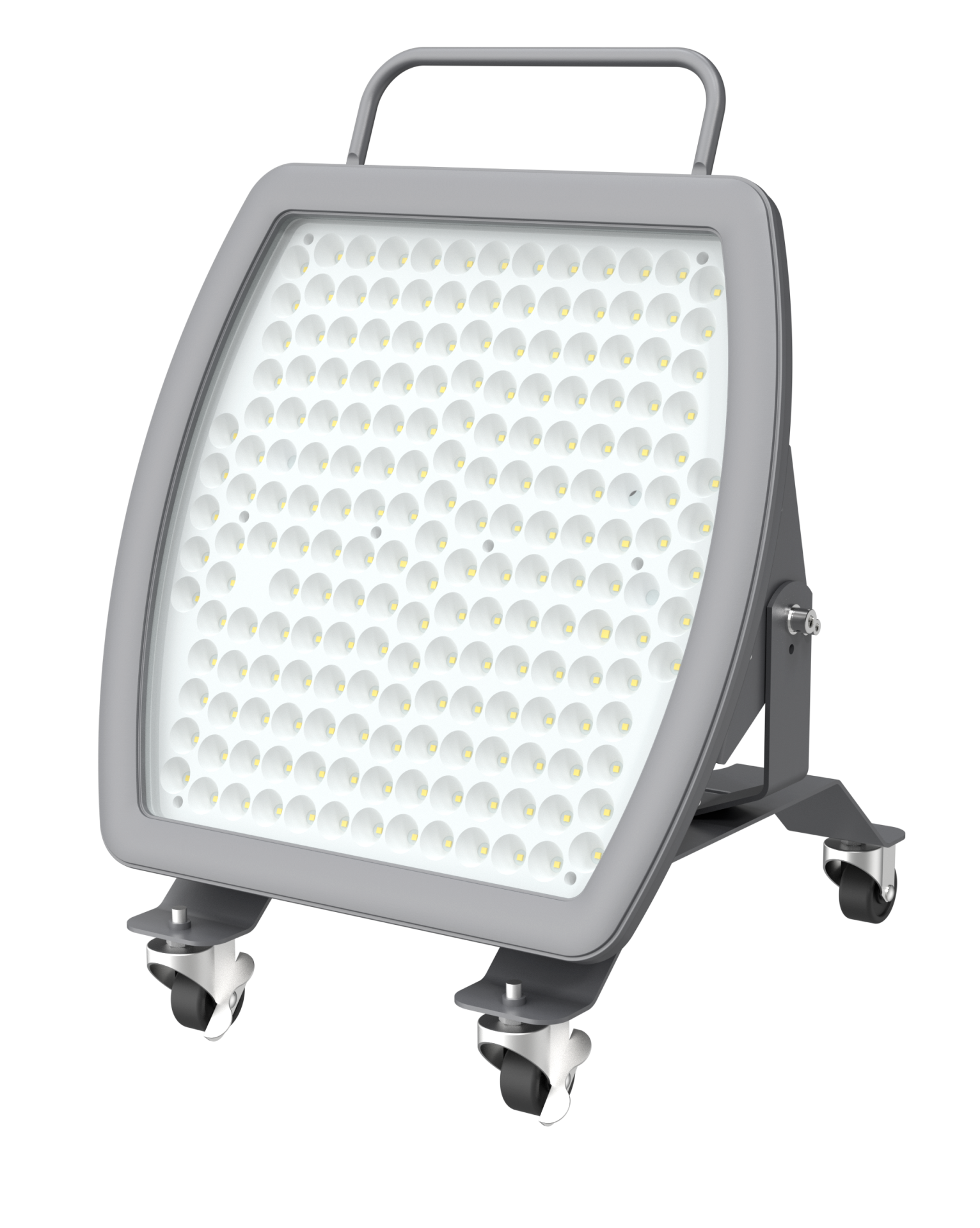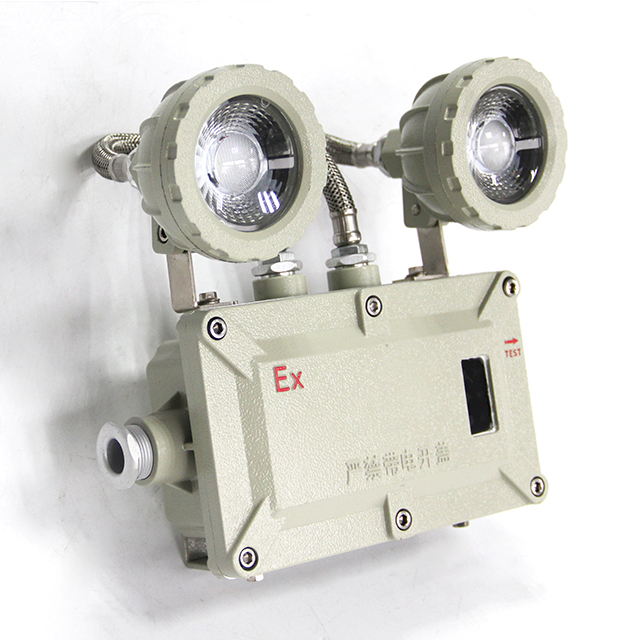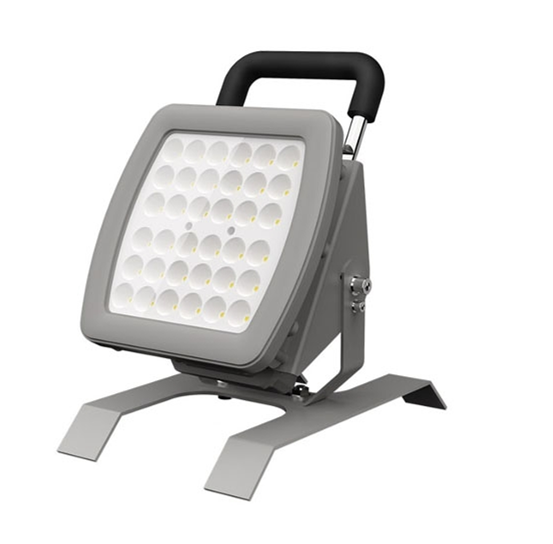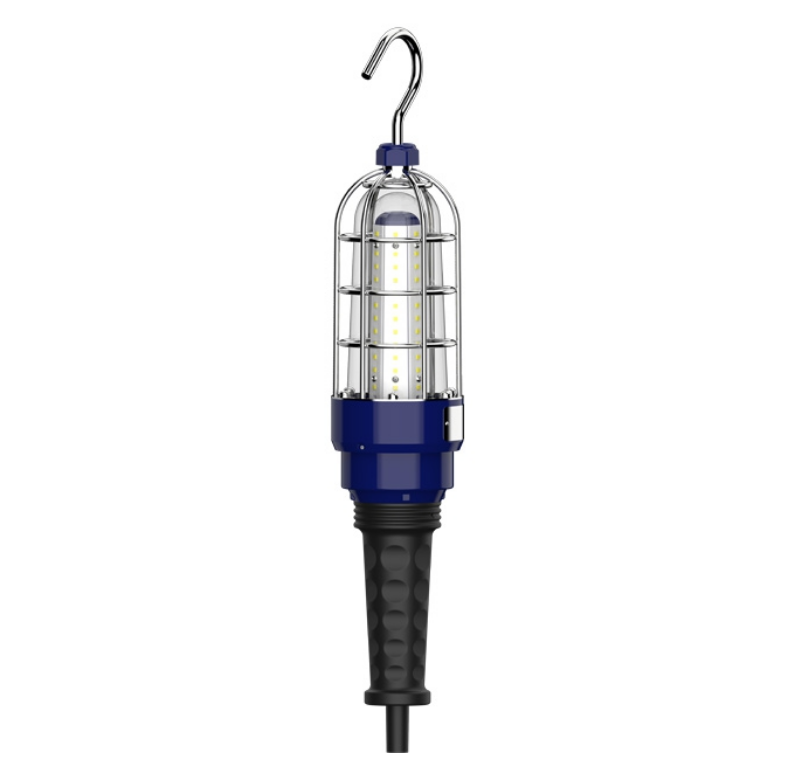





In industries that handle hazardous materials, such as oil and gas, mining, and chemical processing, lighting plays a critical role not just in visibility but in safety. Explosion-proof LED lighting systems are designed to operate in environments where traditional lighting would be a significant risk. However, one of the most crucial factors in ensuring these systems are safe, reliable, and efficient is their thermal stability.
Understanding the Role of Thermal Stability in Hazardous Environments
Thermal stability refers to the ability of a lighting system to perform consistently without overheating, even when exposed to high ambient temperatures, fluctuating temperatures, or extended operating hours. In hazardous environments, lighting fixtures are often exposed to extreme conditions where heat buildup can be a serious issue. If not managed properly, excessive heat can compromise the performance of the lighting system, increase the risk of ignition, and potentially lead to catastrophic failures.
For explosion-proof LED lights, thermal stability is not just a performance issue; it’s a matter of life and death. Effective heat management is crucial to maintaining the integrity of the lighting system while ensuring the safety of workers and facilities.
Why Explosion-Proof LED Lights Require Advanced Thermal Management
1.Prevention of Hazardous Ignition
In explosive environments, even a small spark or excessive heat can trigger an explosion. Explosion-proof LED lights are engineered to prevent sparks or heat from escaping their enclosures. The internal components, including the LED chips and drivers, need to be cooled efficiently to prevent heat accumulation. High-quality thermal management systems in these lights, such as heat sinks, thermal pads, and specially designed housings, ensure that internal temperatures remain within safe limits, even during prolonged usage.
2.Longer Lifespan
Thermal stability is directly related to the lifespan of LED lighting systems. LED lights are known for their long service life, but excessive heat can cause the components to degrade faster, reducing their operational life. By maintaining optimal temperatures through superior heat dissipation techniques, explosion-proof LED lights can function for tens of thousands of hours without significant degradation. This reduces the frequency of maintenance, replacements, and operational disruptions.
3.Maintaining Consistent Performance
High temperatures can alter the electrical characteristics of LED components, leading to reduced brightness, color temperature shift, and even complete failure. Thermal stability ensures that the LED lights maintain consistent performance levels throughout their operational life, without significant performance drops or failures. This consistent lighting output is essential in hazardous environments where visual clarity is crucial for worker safety.
The Technology Behind Thermal Stability in Explosion-Proof LED Lights
To ensure the thermal stability of explosion-proof LED lights, manufacturers incorporate several advanced technologies designed to optimize heat dissipation and prevent overheating.
1.Heat Sinks and Cooling Fins
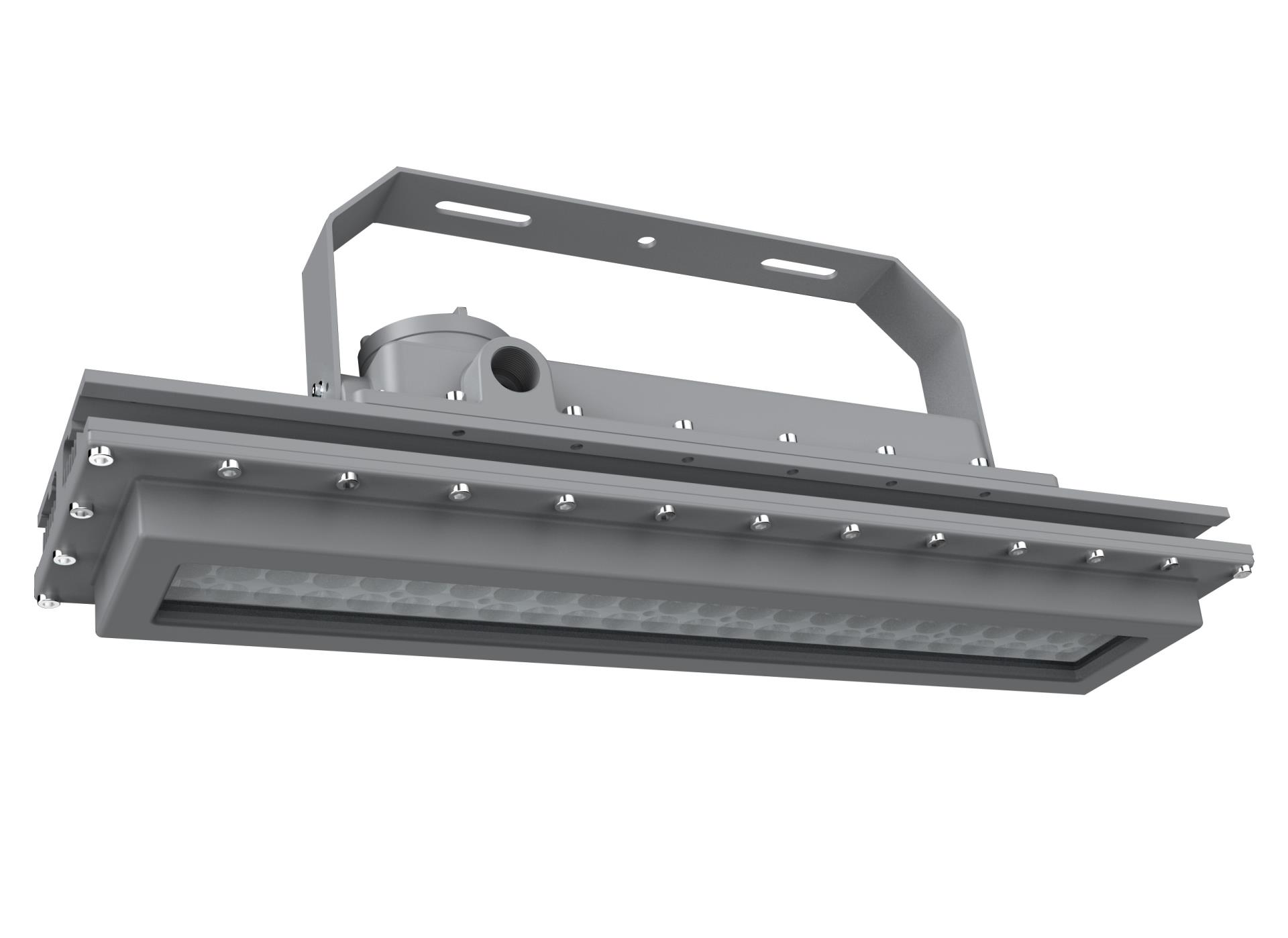
Most high-quality explosion-proof LED lights are equipped with aluminum heat sinks or cooling fins that increase the surface area, allowing heat to dissipate more effectively. These materials, often lightweight and corrosion-resistant, are designed to withstand high temperatures and provide long-term durability.
2.Thermal Management Components
Thermal pads and ceramic substrates are often used to improve the transfer of heat from the LED chips to the housing. These components ensure that heat is evenly distributed and prevented from accumulating in any single part of the lighting fixture.
3.Advanced Housing Materials
Explosion-proof LED lights typically use robust materials, such as stainless steel or die-cast aluminum, which can handle extreme heat while maintaining their structural integrity. These materials also help prevent sparks from escaping, further ensuring that the lighting system does not become a fire hazard in volatile environments.
Industries That Benefit from Thermal Stability in Explosion-Proof LED Lights
Several industries rely on thermal stability in explosion-proof LED lighting to ensure safety and efficiency in their operations. Some of the key sectors include:
1.Oil and Gas
The oil and gas industry often involves the handling of flammable gases and chemicals. Explosion-proof LED lights with superior thermal stability are critical in drilling rigs, offshore platforms, and refineries, where heat from equipment and external conditions can pose serious risks.
2.Mining
In underground and surface mining, methane gas is a constant hazard. Explosion-proof LED lights are essential to provide safe lighting in these environments. With advanced thermal management, these lights continue to function effectively even in the most extreme temperatures, reducing the risk of fire or explosion.
3.Chemical Processing
Chemical plants often involve the use of volatile chemicals that can be highly reactive when exposed to heat. Thermal stability in LED lighting ensures that the lights operate safely without increasing the temperature to dangerous levels.
4.Pharmaceutical Manufacturing
Pharmaceutical production environments require strict temperature controls. LED lights with excellent thermal management help to maintain ambient temperatures and provide reliable, consistent illumination for high-precision work.
Choosing the Right Explosion-Proof LED Lighting System
When selecting explosion-proof LED lighting for hazardous environments, consider the following factors related to thermal stability:
1.IP Rating and Certifications
Ensure the lighting fixture is certified for use in explosive environments. Look for IP ratings and certifications like ATEX, UL, or IECEx to guarantee the fixture meets stringent safety and thermal stability standards.
2.Heat Dissipation Efficiency
Check the specifications for heat dissipation features like heat sinks and thermal pads. Higher-quality systems will have robust heat management to maintain safe operational temperatures.
3.Durability and Build Quality
Choose lights made from durable materials that can withstand both high temperatures and environmental stressors. Stainless steel and aluminum housings are common in industrial-grade explosion-proof LED lights.
Conclusion: The Critical Role of Thermal Stability in Explosion-Proof LED Lighting
In hazardous environments, thermal stability is more than just a design feature—it’s an essential safety requirement. Explosion-proof LED lights with superior thermal management capabilities ensure consistent performance, prolonged lifespan, and enhanced safety for workers and facilities. By preventing excessive heat buildup, these lights help maintain optimal functionality, reduce fire risks, and provide clear, reliable illumination in the most demanding conditions.
For industries operating in high-risk environments, investing in high-quality explosion-proof LED lights with exceptional thermal stability is a smart decision that ensures safety, reduces maintenance costs, and enhances operational efficiency. Partnering with leading suppliers like adtoledlight can help businesses find lighting solutions that meet the highest standards of performance and safety.