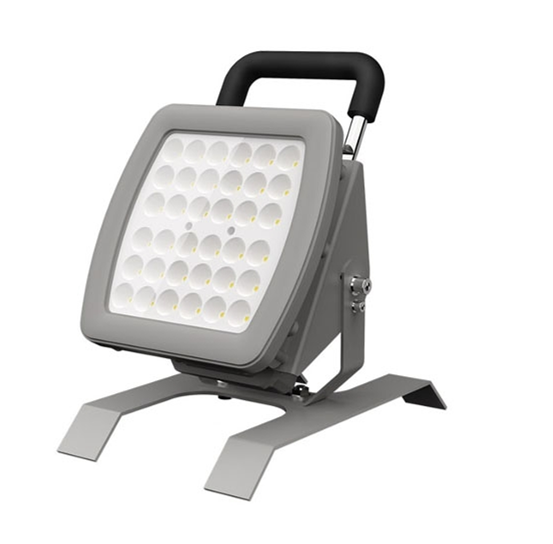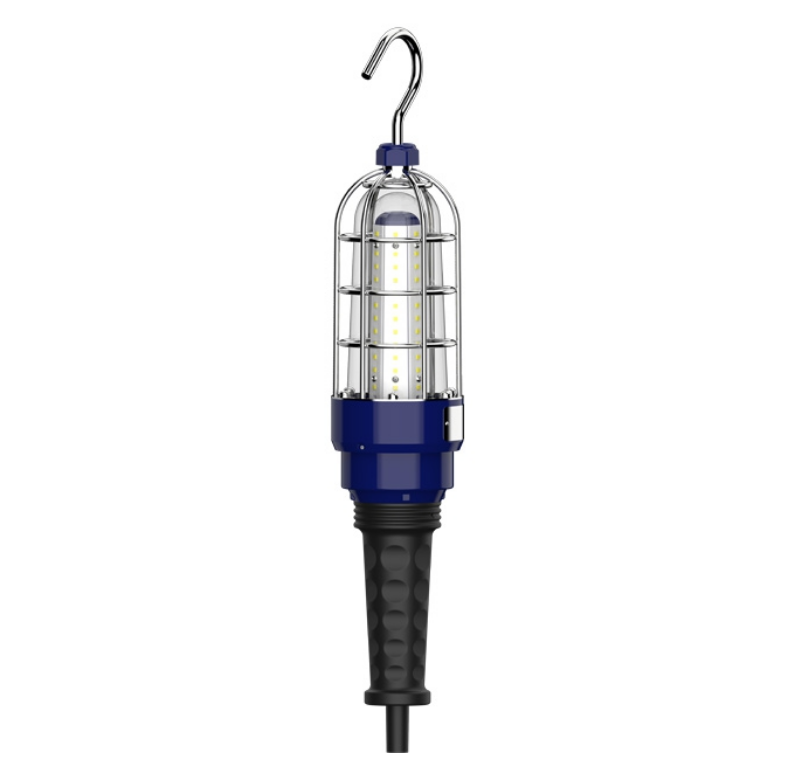


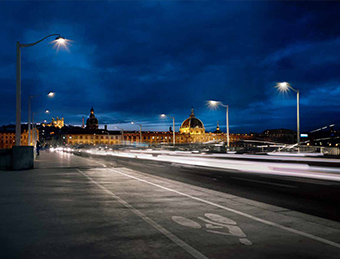





As cities continue to embrace digital transformation, outdoor LED lighting has become one of the most influential components shaping smarter, safer, and more efficient urban environments. Modern LED outdoor lighting is no longer limited to illuminating streets and public spaces—it now plays a central role in energy management, urban safety, smart sensor networks, and adaptive lighting strategies that respond to real-time conditions. This article explores how outdoor LED lighting systems have evolved and why they have become a cornerstone of smart city development.
A New Era of Efficient Outdoor Illumination
The shift from traditional lighting to outdoor LED lighting marked the first major step toward smarter infrastructure. LEDs introduced higher efficiency, longer lifespan, and dramatically lower operational costs, allowing cities to reallocate maintenance budgets and reduce energy consumption. What started as a lighting upgrade quickly revealed broader potential: outdoor LED lighting could become an intelligent platform capable of gathering data and improving public services.
Advancements in LED chip design, optical precision, and heat management have made modern LED outdoor lighting exceptionally reliable even in challenging climates. Uniform beam control, improved color rendering, and reduced glare contribute to safer streets, clearer visibility, and a more comfortable night-time experience for pedestrians.
Integration of Smart Controls and Connectivity
One of the most transformative developments in outdoor LED lighting has been the integration of smart controls. These systems allow city managers to operate entire lighting networks remotely—adjusting brightness, checking performance, and scheduling dimming cycles based on activity levels.
Key smart control capabilities include:
Adaptive Brightness Adjustment
Outdoor LED lighting can automatically brighten when sensors detect pedestrians, cyclists, or vehicles. This not only enhances public safety but also reduces unnecessary energy use during low-activity periods.
Wireless Monitoring and Diagnostics
Smart LEDs can report real-time status data, such as energy consumption, temperature levels, or driver performance. Faulty fixtures can be identified immediately, reducing downtime and the need for manual inspections.
Environmental Sensing
Many outdoor LED lighting systems now support integrated sensors that monitor air quality, weather patterns, or noise levels. This additional data supports broader smart city initiatives focused on improving urban living conditions.
Enhanced Safety Through Intelligent Illumination
Improving public safety is one of the most immediate benefits of modern LED outdoor lighting. High-quality LEDs provide clearer visibility and more uniform coverage, significantly reducing dark spots that contribute to accidents or crime.
With the evolution toward smart city design, lighting has become part of an interconnected safety network. Outdoor LED lighting can work alongside cameras, motion sensors, and communication systems to create faster emergency responses and provide better situational awareness in public spaces.
Sustainability at the Core of Smart City Development
Sustainability remains a driving force behind the widespread adoption of outdoor LED lighting. Municipalities are under increasing pressure to reduce carbon emissions and develop more energy-efficient infrastructure.
LED outdoor lighting supports these goals through:
— dramatically lower power consumption
— long service life that reduces waste
— compatibility with solar-powered systems
— reduced light pollution through precise optical control
Many cities are now adopting hybrid systems that combine LED fixtures with solar panels, allowing public lighting to remain operational even during grid outages while lowering overall environmental impact.
Design Flexibility and Urban Aesthetics
As smart cities grow, lighting design also plays a role in shaping the look and identity of public spaces. Outdoor LED lighting now offers a wide variety of color temperatures, fixture styles, and beam patterns that help define architecture, highlight pathways, and create inviting landscapes.
Dynamic color-changing LEDs are also being integrated into plazas, bridges, and cultural venues, allowing cities to celebrate events or enhance nighttime aesthetics without sacrificing energy efficiency.
The Road Ahead for Smart Outdoor Lighting
Outdoor LED lighting continues to evolve rapidly, with emerging features such as advanced IoT integration, AI-based lighting predictions, and interconnected grid systems that adjust power distribution automatically. These innovations will further expand the role of lighting as a multiservice utility that supports transportation, public safety, environmental monitoring, and community engagement.
As cities aim to build cleaner, more resilient, and more intelligent environments, the importance of advanced outdoor LED lighting solutions will only grow.
Conclusion
The evolution of outdoor LED lighting reflects a broader shift toward smarter, safer, and more sustainable urban landscapes. What was once a basic utility has now become an intelligent platform capable of transforming how cities operate and how residents experience public spaces. As this technology continues to advance, high-quality LED outdoor lighting will remain a foundational element of future smart city infrastructure—an area where trusted providers like adtoledlight continue to support global urban development with reliable, modern solutions.